Ramadan is one of the holiest months in the Islamic calendar, which is marked by Muslims around the world by fasting from dawn to sunset.
For those who are not of the Muslim faith or simply unfamiliar with this holy month, it can be difficult to know how to interact with colleagues, friends, or neighbors who are fasting. Understanding basic etiquette and learning a few Arabic phrases can help you show genuine respect and support during this important time.
Understanding the importance of Ramadan
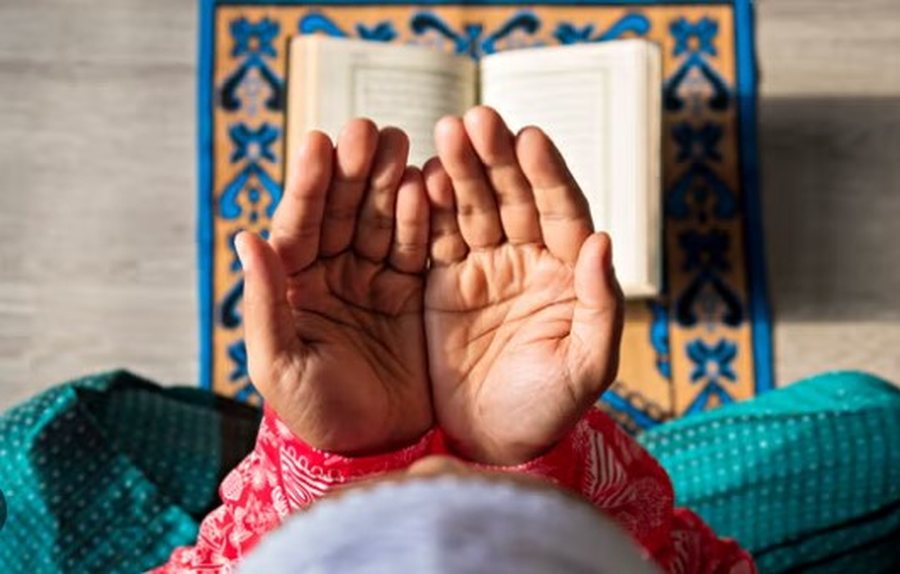
Ramadan is much more than simply abstaining from food and drink. It is a month of spiritual reflection, increased devotion, and deepened awareness. Muslims use this time to strengthen their connection with God, practice self-discipline, and show compassion to others. Understanding the depth of this commitment helps us understand why certain comments or behaviors may be inappropriate during this period.
What not to say to someone who is fasting
Avoid conversations about food.
One of the most common mistakes is to ask someone who is fasting what they are having for lunch or to suggest a coffee. While these questions may come out of habit or curiosity, they can be rude. Your fasting colleague is already aware that they cannot eat or drink, and constant reminders are not helpful. Instead, you can simply acknowledge their fast if it comes up naturally in conversation, or avoid the topic of food during the day.
Don't comment on physical changes.
Avoid observations about weight loss or changes in appearance. Comments like “You look thinner” or “Have you lost weight?” can be inappropriate and reduce a deep spiritual practice to something superficial. Fasting is not about physical transformation, so focus elsewhere to show understanding.
Don't ask about the difficulty.
Statements like “Isn’t that too hard?” or “I would never do that” may seem charming, but they can actually detract from the experience. These comments imply that fasting is simply a test of patience and not a meaningful spiritual practice. A simple “I respect what you’re doing” is much more appropriate.
The best way to show support

Adjust social plans
If you're hosting a lunch or coffee meeting, keep in mind your colleagues who are fasting. They won't be able to attend during the day, which can make them feel left out. Consider planning activities after sunset or meetings that don't focus on food and drinks. Better yet, ask if you can join them for iftar (the meal that breaks the fast after sunset). Many Muslims welcome the opportunity to share this special time with a variety of friends.
Offer sincere encouragement.
A few words of encouragement can go a long way. Simple phrases like “I hope your fast is going well” show that you appreciate their dedication without intruding. This kind of encouragement demonstrates respect and builds stronger bonds.
Keywords for Ramadan
It's okay to just say "Happy Ramadan." A warm smile and sincere wishes are more important.

General Arabic greetings
“As-salamu alaikum” is a universal greeting throughout the year. The response is “Wa alaikum as-salam”.
Understanding some key terms
Sufyr: the pre-dawn meal that Muslims eat before beginning their fast.
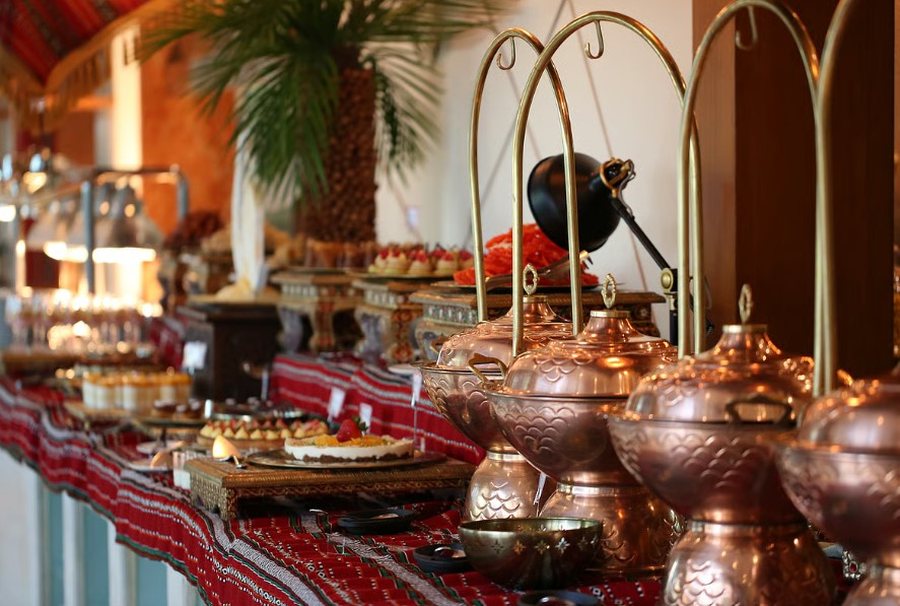
Iftar: the evening meal that breaks the fast after sunset, often shared with family and friends.
Tarawih prayers: special night prayers during Ramadan that many Muslims perform in mosques.

Creating an inclusive environment
The key to good etiquette during Ramadan is care and consideration. You don't have to walk on eggshells to be around your Muslim friends, but a little consideration is greatly appreciated. Avoid eating in front of someone who is fasting, respect their need for prayer during the day, and be aware of any changes in their energy levels.
Most importantly, treat Ramadan with the same respect you would show any other religious practice. Muslim friends, neighbors, and colleagues will appreciate your effort to understand their practices, even if you occasionally get them wrong. The intention to show respect and support is what matters most.