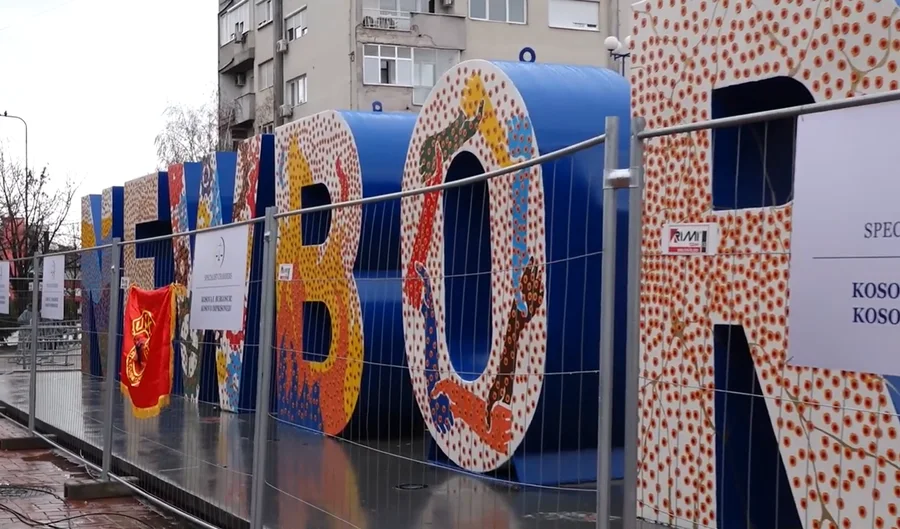
The Newborn Monument, located in the center of the capital and the most recognizable symbol of Kosovo's statehood, has received a new look and an updated message this year on the occasion of the 18th anniversary of the declaration of independence.
The creator of the monument, Fisnik Ismaili, has presented the artistic concept for 2026, based on the traditional Japanese art of "Kintsugi", a technique that symbolizes healing, strengthening, and increasing value after challenges and difficulties.
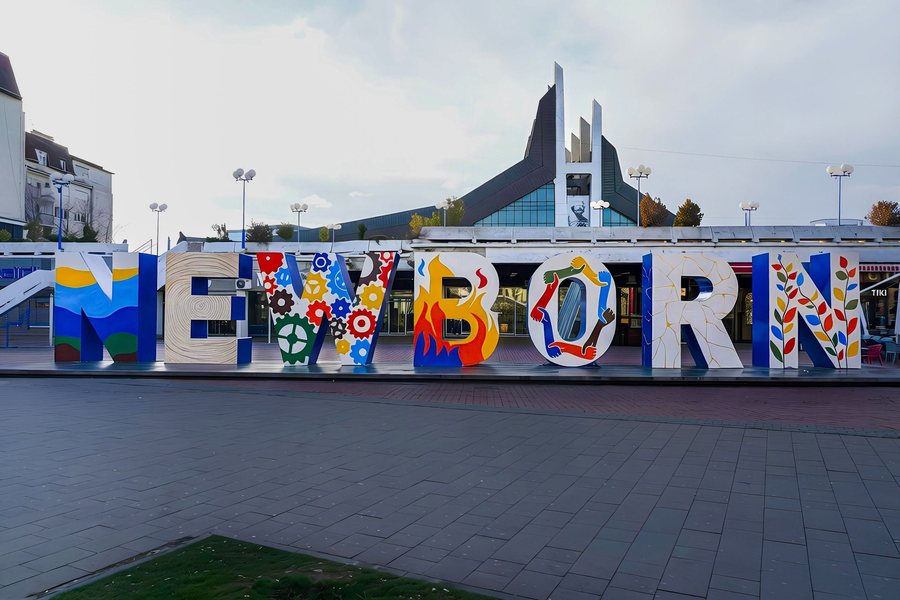
"This year reflects Kosovo's journey over the years, facing challenges with resilience and becoming stronger in the process of its development," Ismaili said.
NEWBORN, located in front of the Palace of Youth and Sports in Pristina, is a typographic sculpture and a symbolic landmark commemorating the Declaration of Independence on February 17, 2008. For five years, it remained in its original appearance and has since been changed annually to adapt to themes that highlight the situations and aspirations of society.
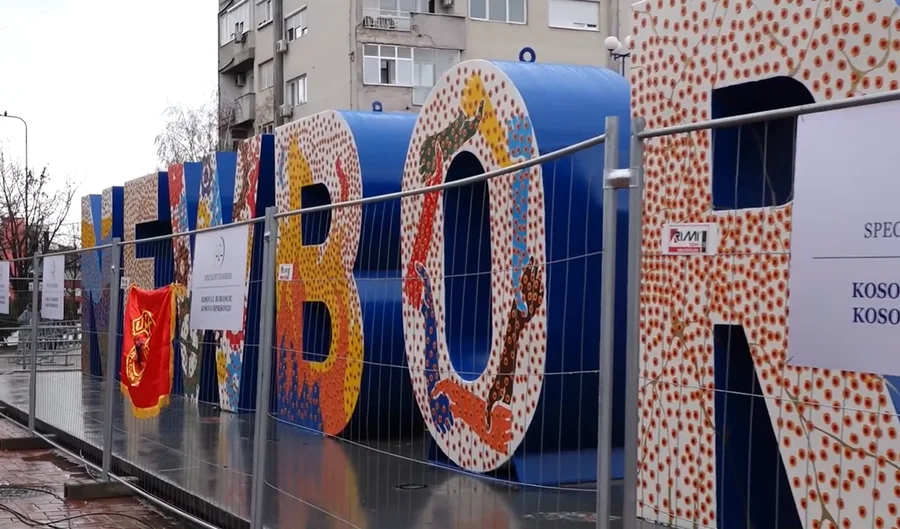
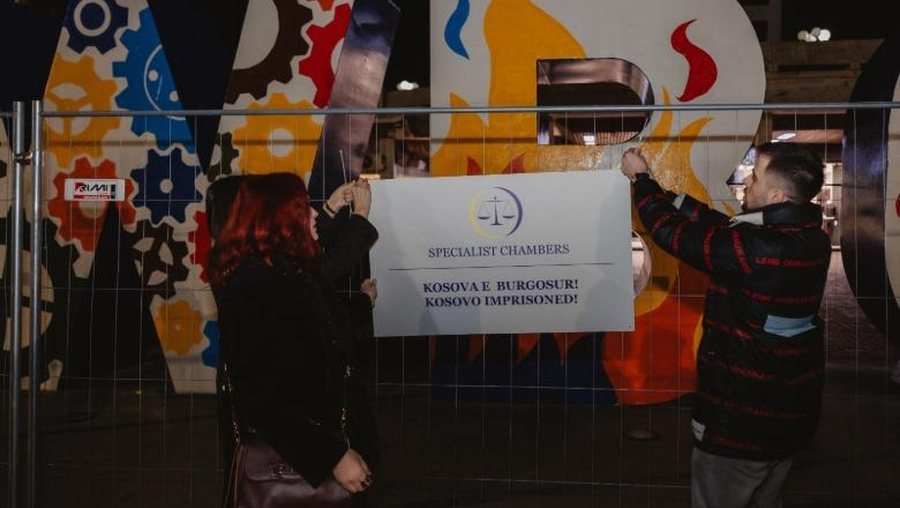
However, this year the monument was also given a symbolic “imprisonment” with bars and the inscription “Kosovo imprisoned!” by activists of the “Freedom has a name” platform. This morning, they filled the monument with 5,000 magnetic emblems of the Kosovo Liberation Army (KLA), saying that this action aims to reflect the feeling of injustice towards the trials taking place at the Specialist Chambers in The Hague.
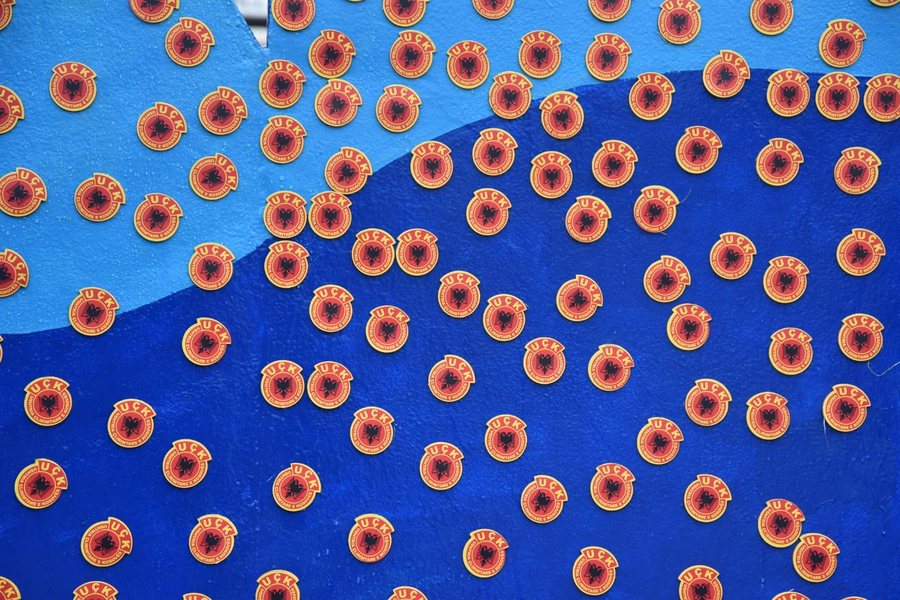
Today, as Kosovo celebrates the 18th anniversary of independence, former leaders of the KLA and Kosovo's first institutions after the declaration of independence are detained in The Hague: Hashim Thaçi (former president and prime minister who read the Declaration of Independence), Jakup Krasniqi and Kadri Veseli (former parliamentarians) and Rexhep Selimi (former MP).
Citizens marched through the streets of Pristina, gathering in squares and central areas of the capital, in protest against the trials of those facing charges of war crimes and crimes against humanity at the Special Court in The Hague. The march was held in defense of former leaders, whom Kosovo citizens see as key figures in the state-building process.