Ukraine deal: EU leaders agree on €90 billion loan
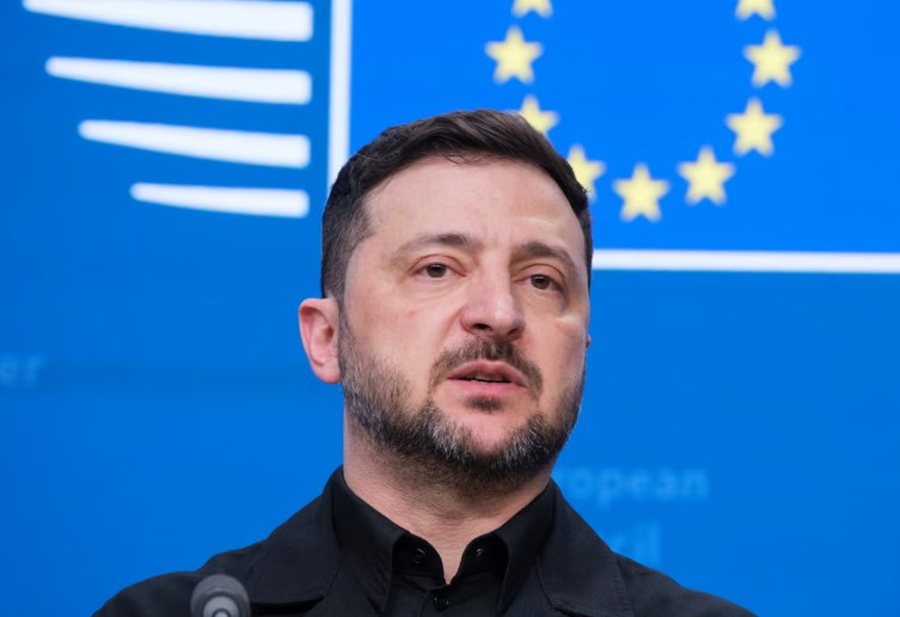
The EU has agreed to provide a €90 billion loan to Ukraine over the next two years, to cover most of its urgent financial needs, but without currently using frozen Russian assets as collateral.
The loan will be supported by the EU budget and will be repaid by Ukraine only if Russia pays reparations, while the EU reserves the right to use frozen Russian assets in the future.
Disagreements, particularly Belgium's objection over legal risks, led the leaders to avoid immediately using some 210 billion euros of Russian assets frozen in Europe.
Bosnia and Herzegovina: Severe pollution in Sarajevo, residents advised to stay indoors
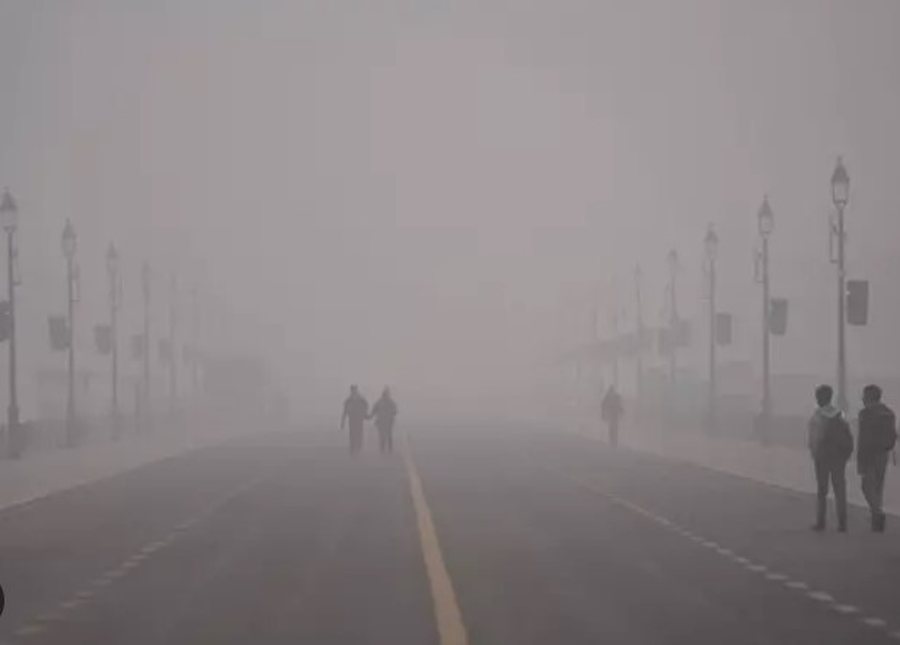
Sarajevo faced dense fog and severe air pollution on Thursday, causing flight cancellations, traffic slowdowns and emergency measures such as turning off holiday lights and suspending outdoor works.
The city's geographical position causes pollution from heating and traffic to remain trapped, leading to dangerous levels of pollution for more than 100 days a year.
Although authorities have imposed restrictions on polluting vehicles, the transition to cleaner energy remains slow, leaving Bosnia and Herzegovina with one of the highest air pollution death rates per capita in the world.
Farmers clash with police near the European Parliament in Brussels
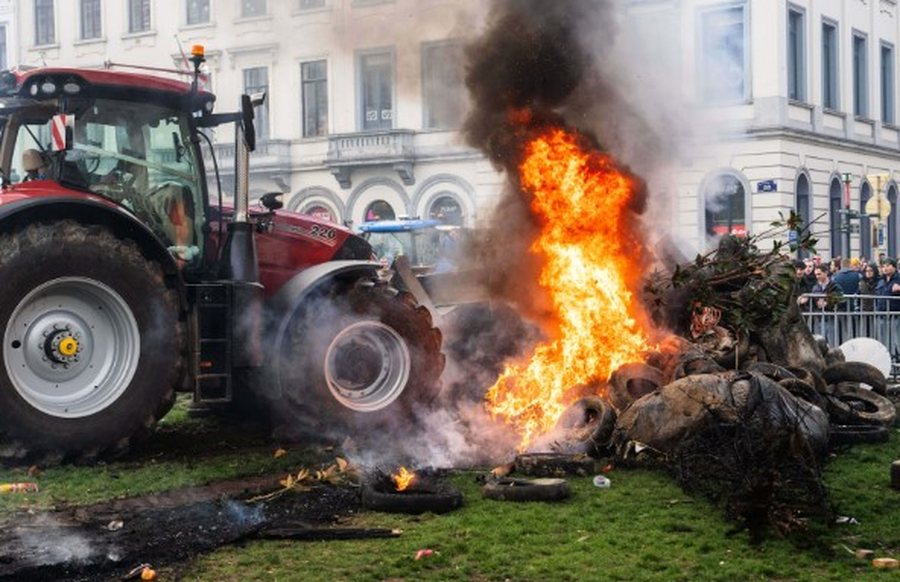
Belgian farmers clashed with police in Brussels during protests against the EU-Mercosur trade deal, near the European Parliament, where police used tear gas.
There was a brief stoppage and acts of vandalism during the tensions, while authorities said some of the masked men were not affiliated with farmers' unions.
Protesters oppose the agreement, warning of unfair competition and pressure on agricultural incomes, while EU leaders are considering changes or postponing its signing.
Germany charges teenagers suspected of being members of a right-wing extremist group with attempted murder
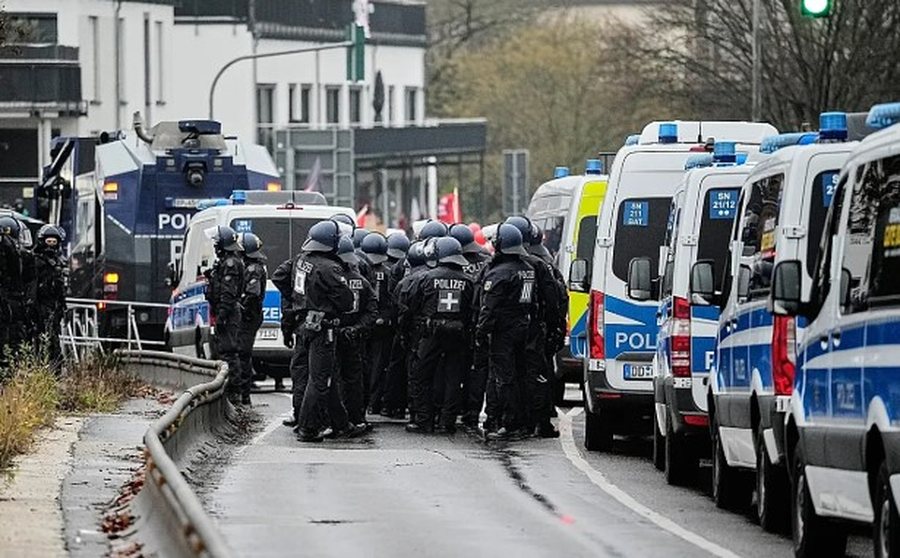
German authorities have charged eight young people, including several teenagers, with membership in a far-right terrorist group and with attempted murder, conspiracy to commit murder and serious injury.
The group, called "Last Defense Wave," is suspected of planning and carrying out arson attacks and bombings against migrants, asylum seekers' shelters and left-wing institutions, with the aim of destabilizing democracy in Germany.
Although there were no casualties from the attacks, prosecutors say that members of the group promoted racist, anti-Semitic and neo-Nazi ideologies, aiming to incite widespread violence in society.