EU to freeze 210 billion euros of Russian assets indefinitely

The European Union has decided to indefinitely freeze around 210 billion euros in Russian sovereign assets, paving the way for these funds to be used to support Ukraine's defense.
The decision aims to keep the assets frozen until Russia stops the war and compensates Ukraine, but Moscow has warned of countermeasures and launched legal action.
Some member states are expressing legal and financial concerns, while the EU is looking for secure ways to finance Ukraine in the coming years.
Kim Jong-un admits North Korean troops are clearing landmines for Russia

Kim Jong-un acknowledged that North Korea sent troops to the Russian Kursk region to clear landmines in support of Russia's war in Ukraine, calling the mission a heroic act.
He said nine soldiers lost their lives and honored them with state decorations, while praising the troops for turning dangerous areas into safe zones.
According to Western intelligence, this military aid is accompanied by benefits for North Korea, such as financial support and supplies, in exchange for support for Moscow.
Trump says Thailand and Cambodia have agreed to renew ceasefire, but fighting continues

Donald Trump said Thailand and Cambodia have agreed to renew a ceasefire after recent clashes along the border, following talks he held with the leaders of both countries.
However, Thai and Cambodian authorities confirmed that fighting has continued, rejecting the claim that the ceasefire is fully in effect.
Thailand stressed that it will continue military operations until Cambodia no longer poses a threat to its sovereignty.
Polar bears may be adapting to survive in warmer climates thanks to their "jumping genes"
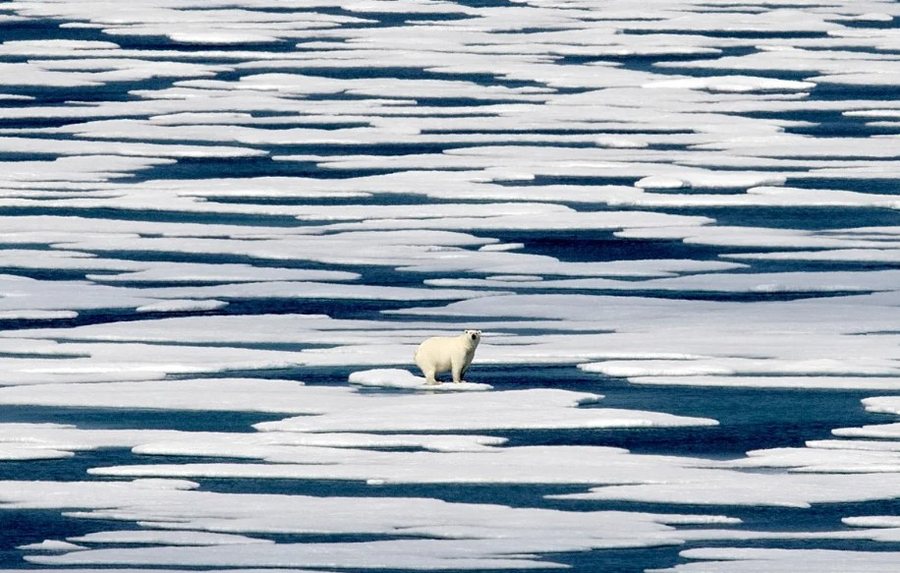
Scientists warn that polar bears risk total extinction by the end of the century due to the rapid warming of the Arctic, but a new study has revealed a small sign of hope.
Researchers have found that in some populations, the activity of so-called "jumping genes" is increasing, which may help bears adapt to higher temperatures and food shortages.
However, experts emphasize that these genetic changes do not eliminate the risk of extinction and that reducing global emissions remains essential for their survival.