Children who see their parents manage conflict, set boundaries, and maintain emotional calm intuitively learn how to protect their space as they grow up. They understand that saying “no,” backing down in moments of tension, and managing your feelings is not selfishness, but a skill for building healthy relationships and maintaining inner peace.
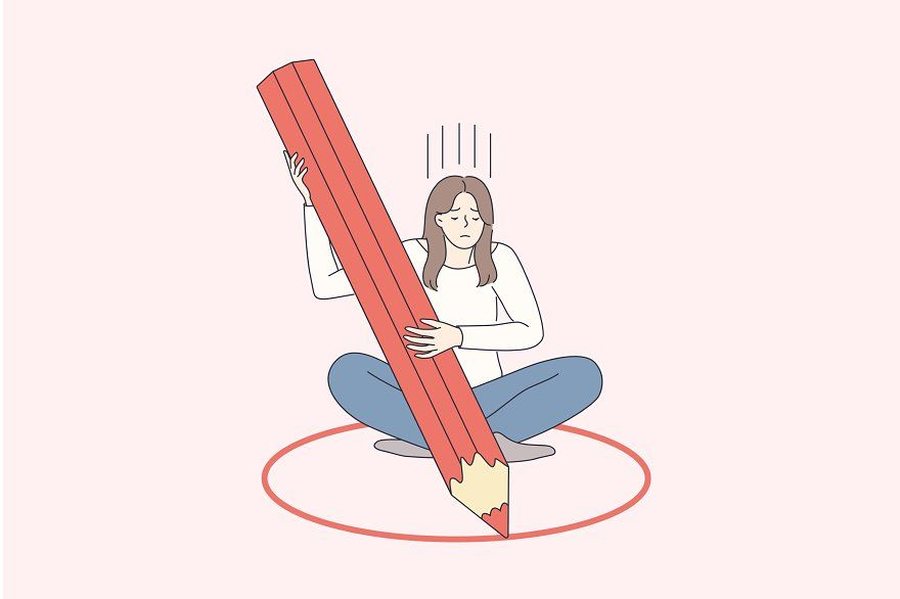
Those who saw their parents do these 6 things while growing up, today know how to set healthy boundaries in relationships:
1. Recognizing bad behaviors
Children who grow up watching their parents recognize when someone is being "provocative," when someone is "victimized" of a behavior, or when someone intervenes to resolve a conflict, learn to understand the emotional roles that people play. This helps them recognize manipulation or toxic behavior as they grow up and avoid falling victim to it.
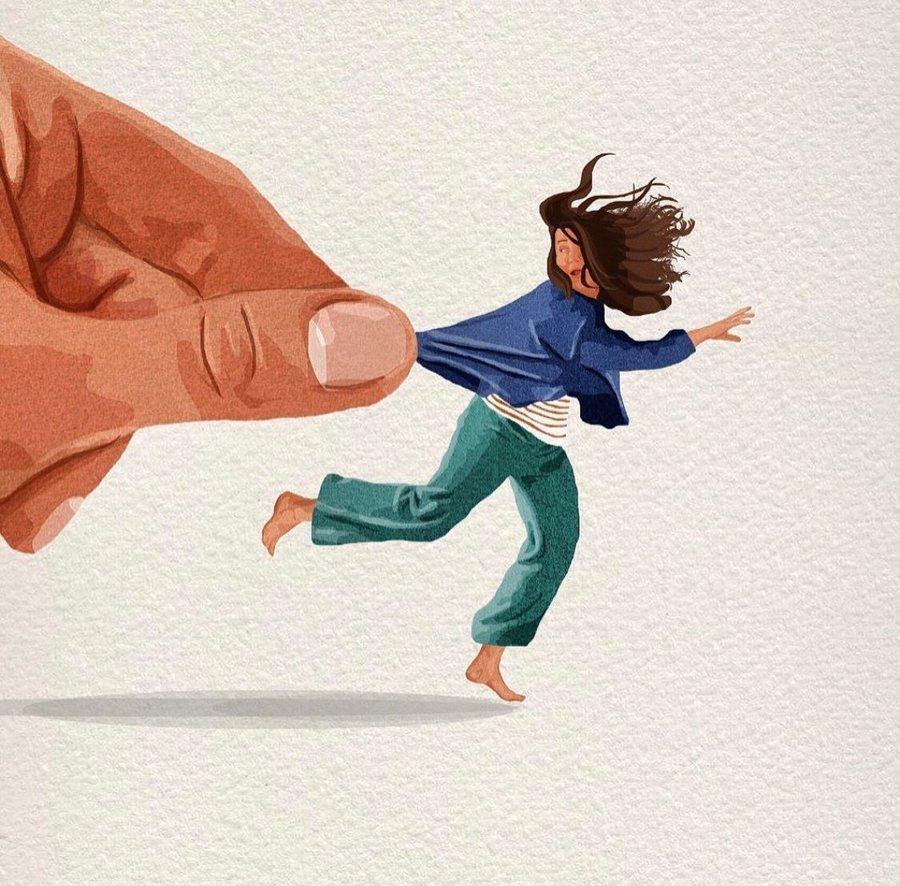
2. Saying “no” without feeling guilty
Understanding that you don't have to necessarily break the rules or please everyone is a lesson that comes from childhood. Boundaries clarify relationships and help adults protect their time and energy. Learning to say no, even when others disagree, is part of emotional maturity.
3. Taking care of personal matters
Children who see their parents allow others their space and focus on their own emotions learn to avoid unnecessary drama. Focusing on yourself and taking responsibility for your own reactions is the key to emotional calm and independence.

4. Withdrawing from situations when necessary
An important skill is knowing when to walk away from a tense situation. Walking away does not mean defeat, but a wise choice to protect your peace. Taking a step back, reflecting, and returning to the things that bring you happiness strengthens emotional resilience and helps you manage conflicts in a mature way.
5. Responding politely before things escalate
Sometimes, a simple “Thank you for sharing your opinion” is enough to stop a pointless argument or a provocation. Children who see their parents use this tactic learn that calm behavior and respect are more powerful weapons than impulsive reactions.

6. Paying attention to feelings
A child who is allowed to talk openly about their feelings, feel and experience emotions in a safe environment, learns to accept and manage their own feelings as an adult. This small step helps develop empathy, recognize the signs of toxic relationships and maintain peace in personal relationships.
-

11 ways good people show their integrity without saying a word
January 16, 17:20 -

Here's what 'déjà vu' really is, according to scientists
January 15, 19:36 -

12 lessons that even intelligent women often learn too late in life
January 15, 17:20 -

-

10 clear signs that your mind works faster than the average person's
January 12, 20:11