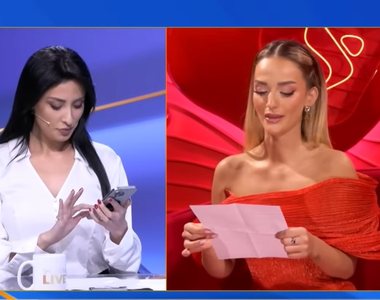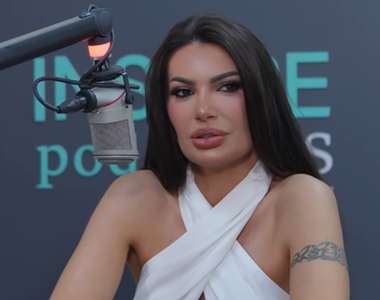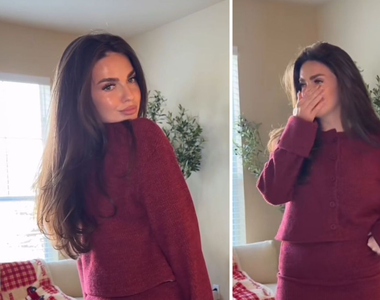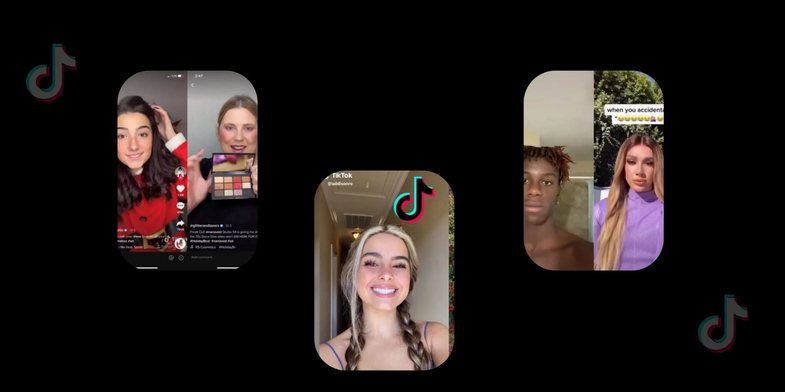
Hey mate, I just got some stuff from Sephora - here's what I bought. Prepare with me for a day in Vlora. Let's spend the day together - starting with a coffee. If you've spent even a little time on TikTok, you've probably read these phrases in a melodious and enthusiastic voice, known as the "TikTok voice".
But what exactly is "TikTok voice"?
Linguist Tony Thorne describes it as a combination of tones that include a high-pitched voice, heavy breathing and emphasis on key words. Also, an intonation is often added that makes each sentence sound like a question, to make sure the listener is paying attention. Sociolinguist Christian Ilbury explains that this style is not just about tone, but also about how sentences are constructed: the opening introduction, an engaging introduction, and then the main body.
This form of speech has a clear purpose: to keep you focused. On a platform like TikTok, where every second counts, influencers follow proven formulas to keep you interested. And as long as the videos are monetized through engagement, this is a smart tactic.
Of course, not everyone is happy with this style. It is often criticized as "fake" or "inauthentic". But really, the way we speak always changes according to the audience. Just like a teacher who uses a soft tone to communicate with children, influencers also create a way of speaking that suits their work.
If you think this phenomenon is something new, go back in time. Hollywood actors of the 20th century used a "transatlantic accent" - a mix between American and British English - to sound more sophisticated. And today, influencers, including Albanians, sometimes borrow American sounds to add an international "touch".
It seems like the internet world is forcing us all to speak the same, making us follow patterns that get attention. The question is: will this form of speech begin to affect the way we communicate off the screen? Or will it just remain a passing TikTok phenomenon?