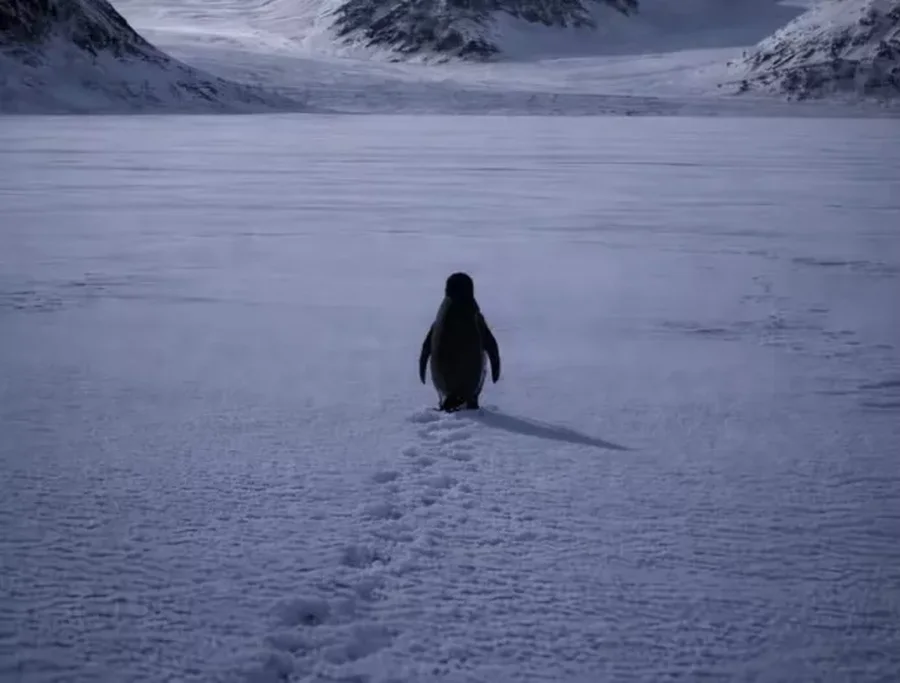
A short but strange clip of a penguin quietly walking away from his group, taken from an old documentary, has gone viral online and people can't stop talking about it.
The penguin appears to be walking towards distant, icy mountains instead of the sea, and has been dubbed the “Nihilist Penguin” online. It quickly became an unusual symbol for emotional exhaustion, silent rebellion, and existential tedium among commentators.
View this post on Instagram
However, the real story behind the video is simpler and more science-based. So what's really going on? And why has it made so many people feel connected to it?
Origin of the viral video
The clip is not new. It comes from the 2007 documentary “Encounters at the End of the World,” by German director Werner Herzog. In one scene, a penguin suddenly leaves his group in Antarctica and walks toward a mountain range about 70 kilometers from the ocean.
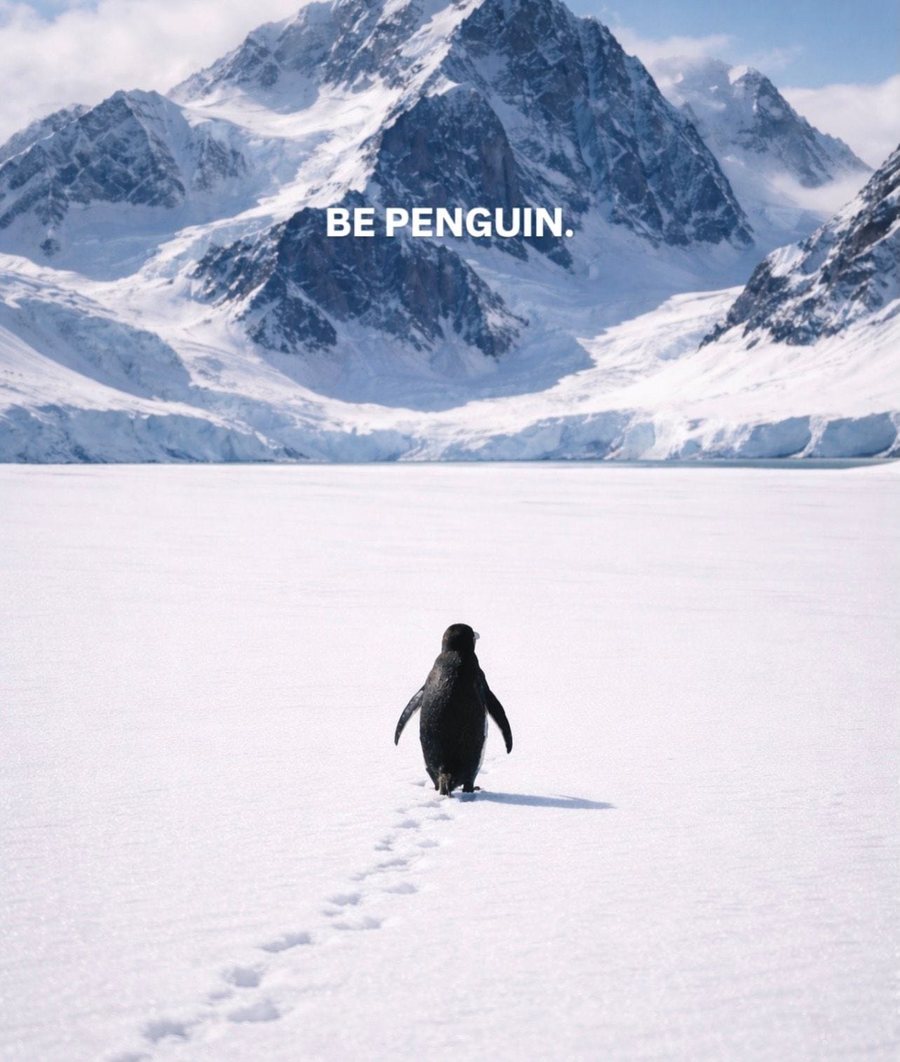
This direction is dangerous: penguins depend on the sea for food and survival. Heading towards the mountains, he has no food, no shelter, and his chances of survival are minimal. This stark contrast makes the clip disturbing and unforgettable.
Why was he called the "Nihilist Penguin"?
When the clip was shared on social media, people began to give metaphorical meanings to the penguin's leisurely walk. The Internet turned the moment into a symbol: posts and memes with titles like "When you don't care about anything anymore," "He knows something we don't," or "Me walking away from my problems."
View this post on Instagram
The name “Nihilist Penguin” quickly spread because the penguin’s behavior seems deliberate, calm, and determined, not driven by fear or panic. In today’s reality where many people feel tired, stressed, and overwhelmed by expectations, many saw the penguin as someone who is “choosing to leave,” making a choice for themselves, however destructive it may be.
Scientific explanation
Scientists say the penguin wasn't going through an existential crisis. :)
There are several more possible reasons for his action:
Disorientation: Penguins are highly dependent on light, landscape, and magnetic fields. Disturbances can cause them to lose their bearings.
Health or neurological problems: In rare cases, physical or neurological illnesses can lead them to wander away from their colony.
Stress during breeding: Hormonal changes or social problems during the breeding season can cause unusual behavior.
Natural errors: Animals do not always make safe choices for survival; mistakes happen, even fatal ones.
Werner Herzog himself described this as a "death march," explaining that penguins that walk towards the mountains almost never return.