It may sound strange to some, but some objects can have sentimental value. There are many people who form a connection with items that have been thoughtfully gifted to them. It can be something small, like a postcard, or something more mundane, like a teddy bear or a t-shirt.
Growing up attached to things is hard to explain to those who don't understand. For some people, things are just things. They hold no sentimental value. When it comes time for spring cleaning, these people find it easier to throw away their belongings. But for more emotional people, it can feel like losing a piece of their memories. Those who experience these feelings often share certain personality patterns.
1. They are sentimental
Sentimental personality patterns are difficult to break. Such a person associates feelings with certain objects. If their parents have given them something as a gift, it takes on a special value.
If you feel this way, you're not alone. Becoming attached to objects because of their sentimental value is common. Whether it's childhood toys or the first gift from your partner, giving objects meaning comes naturally to sentimental people.

2. They are nostalgic
Do you often look back on the past and want to relive it? Nostalgic people often emotionally connect with objects that take them back to another period in their lives. Characters from TV series or movies, T-shirts of musical groups from their teens, these items can take us back to our "better times."
Studies show that as we grow older, the way we relate to things can change. With age, nostalgia can increase, causing us to cherish any object that reminds us of the past.
3. They are sensitive
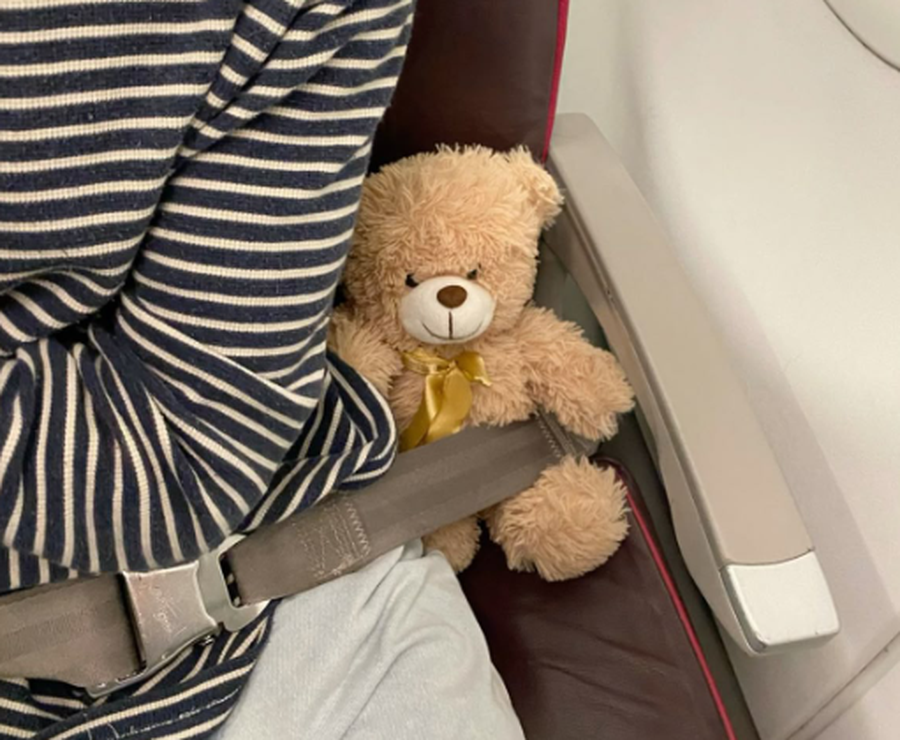
Were you a child who held on to your baby blanket longer than usual? Or do you still have your favorite teddy bear? You may be a more sensitive person.
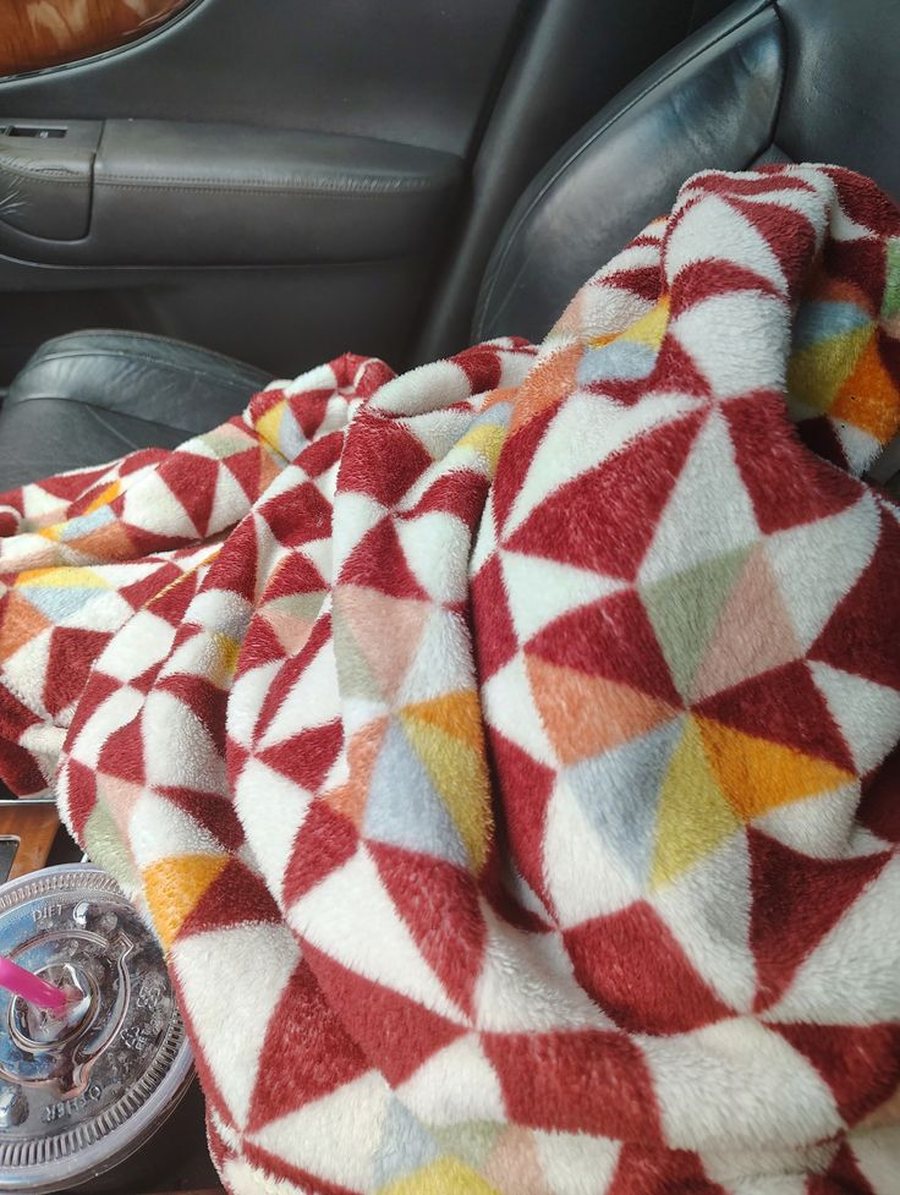
Objects that bring comfort create emotional connections because they fulfill an inner need for security and tranquility.
4. They give meaning to things
Some people give meaning to inanimate objects. For example, the first pendant your partner gave you may no longer be fashionable, but it remains special because it represents a significant moment.
When your personality gives meaning to things, it's hard to separate your feelings about the person from the object itself.
5. They practice anthropomorphism
As a child, you probably gave toys human qualities. You thought they were “sad” or “lonely.” This is called anthropomorphism, when we give objects human characteristics.
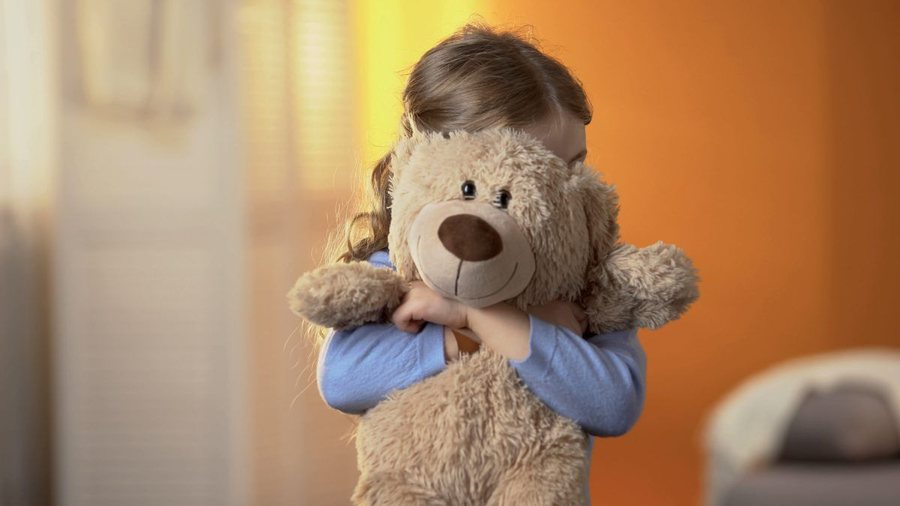
When we do this, it is easier to create emotional connections with them.
6. They are empathetic.
When you think of a gift, you think of the effort and sacrifice someone made to buy it. Empathy makes the object seen as an extension of that person's feelings.
Empathetic people easily read the emotions of others and often hold sentimental attachments to items they have been given.
7. They have an insecure attachment style.
We all have an attachment style that is formed in childhood. People with insecure attachments (such as anxious attachment) may form attachments to objects that provide them with security.
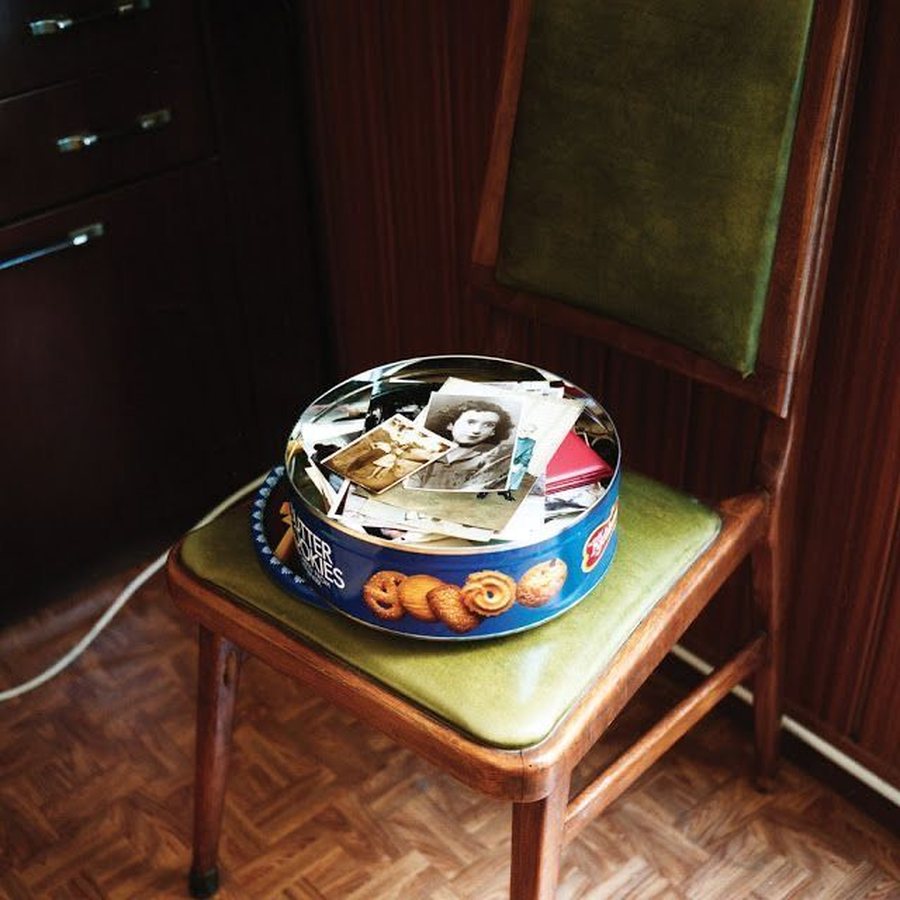
According to the Cleveland Clinic, anxious attachment is an insecure form of attachment where the person fears rejection or abandonment and constantly seeks validation. Objects can become a source of security and emotional affirmation.
8. They don't like change.
Some people hold onto things out of fear of change. If something has been a part of your daily life for years, it's hard to imagine life without it.
Change is inevitable, but objects are something we can control. This can strengthen our emotional connection to them.
9. They are indecisive.
Indecisive people often struggle with decisions, even about small things like whether or not to keep an object. Emotional attachment can serve as an excuse to put off a difficult decision.
With indecision often comes procrastination.
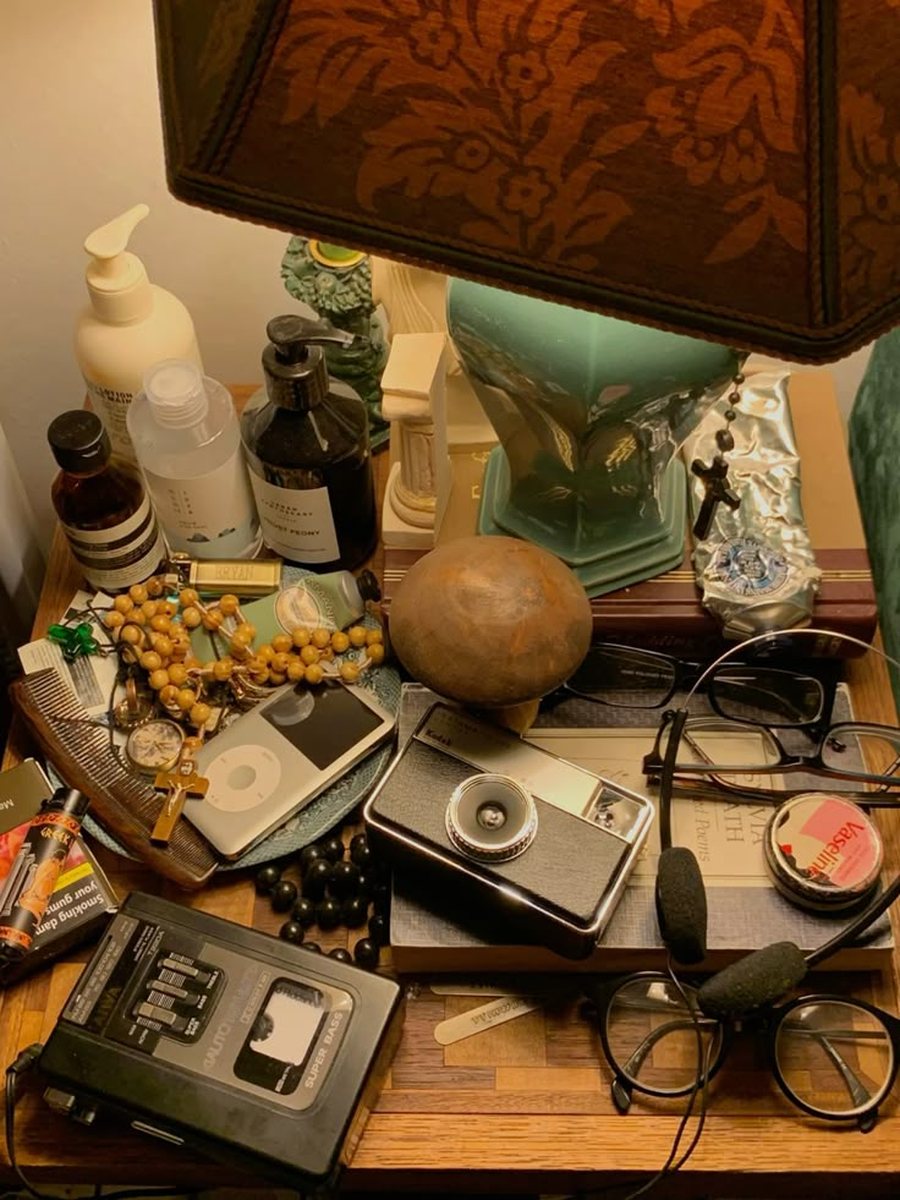
10. They are loyal
Did you have a favorite toy as a child? Loyalty to it may reflect a general personality trait.
Loyalty is a consistent behavior. If you consistently "favor" an object, you may have formed an emotional bond with it.
11. They seek comfort when under stress.
When we are under stress, we seek support. Sometimes it comes from people, but it is not always easy to open up emotionally.
Transitory objects, such as a beloved blanket or a teddy bear, provide psychological comfort during times of stress, uncertainty, or change. Originally studied in the context of child development, these objects are now recognized as important tools for emotional regulation throughout life.
An object that gives you comfort can easily turn into a strong emotional connection.
-

Designers agree: These things have no place in the bedroom!
February 14, 2:21 PM -

Men who like older women usually have these 7 reasons
February 12, 20:28 -

4 signs that someone in your life is silently enjoying your pain
February 11, 17:50 -

People who still take notes (by hand) have these 11 different traits
February 11, 15:57 -

-
Beware! These 9 things you should never put in the washing machine
February 10, 14:23