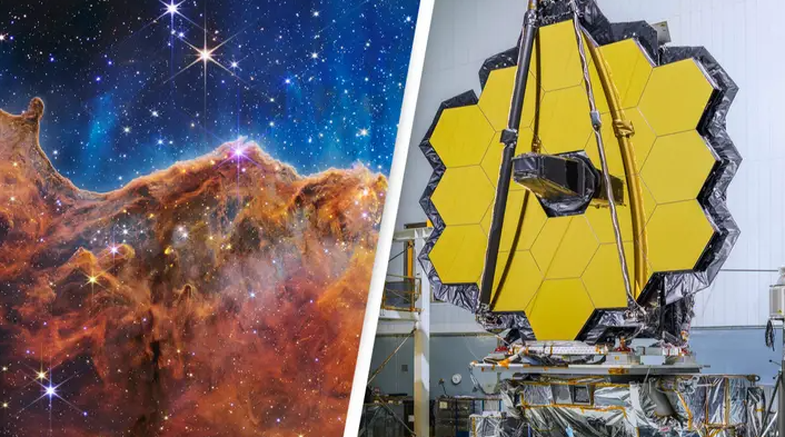
NASA has discovered water on a distant planet more than 1,150 light-years away from Earth with its James Webb Space Telescope.
The first full set of color photographs from the groundbreaking project were revealed via live broadcast on July 12, marking a historic day in astronomy.
But in a new twist, the space agency announced it had found "clouds on another world", tweeting:
" @NASAWebb managed to 'capture' water on the gas giant planet WASP 96-b, which orbits a star 1,150 light years away. For the first time, we have detected evidence of clouds in the atmosphere of this exoplanet."
Many hope the findings could pave the way for the study of alien life or habitable planets outside our solar system. A NASA spokesperson said:
"Exoplanet exploration is now a major component of our mission."
NASA has been developing the James Webb Space Telescope for 30 years, which has cost a significant amount of money—about $10 billion—to realize.
The telescope contains the largest mirror ever sent into space, measuring more than 6 meters across, which is designed to collect infrared light.
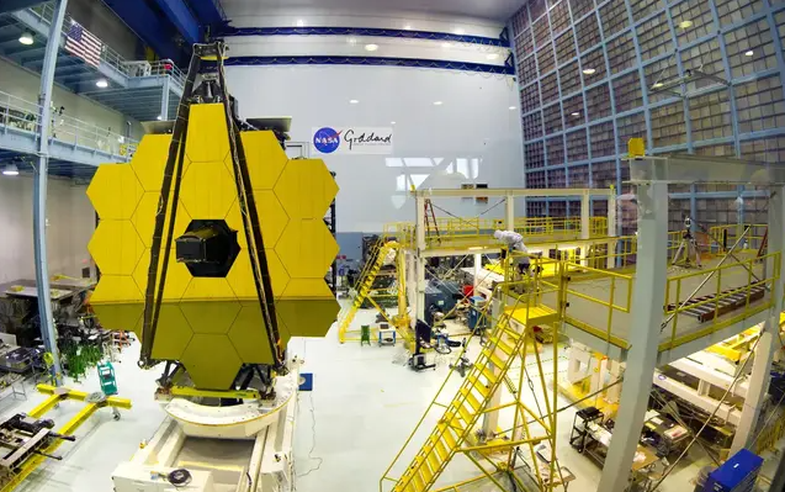
This light, which is beyond the scope of the human eye, makes it possible to see into the deepest regions of the universe, more than with any other telescope.
Source: Unilad
Note: Anabel.al is now also in the app – to download it click here for iOS and here for Android.