Imagine a large warehouse inside a cargo ship divided into several floors. Now, imagine this space with about 14,000 people. It is dark, the warehouse is surrounded by steel walls. The breath of the people inside is the only thing that warms them. The place is filled with a heavy smell of garbage, which lies in piles at their feet.
Amidst all this chaos, trying to escape to who knows where, there are also some pregnant women. Their babies will be born right there, as they sail on a cargo ship in the cold Eastern Sea.
Their birthdays are in late December 1950, six months after the start of a war that has engulfed the Korean Peninsula.
The babies born apart from fate will share the same surnames, Kimchi 1, Kimchi 2, 3, 4 and 5.
Later, history will know them as the Christmas Miracle, five fragile lives thrown into the dangerous and insensitive currents of history and the sea.
“Without the cooperation of American soldiers, we refugees would not have reached the South in search of freedom,” said one of the children born on that ship, Sohn Yang-young, who was named Kimchi 1, later.
Kimchi 1 through 5 were nicknames given by American crew members as a mark of respect for the most popular Korean food.
They were born on the SS Meredith Victory, a cargo ship built by the United States in the final months of World War II.
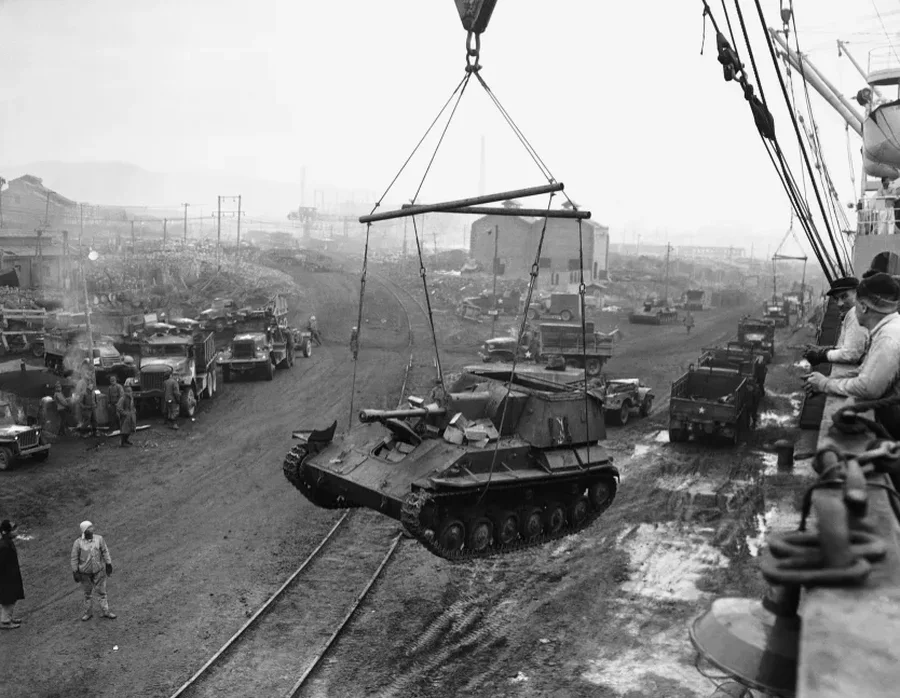
During those years, in the east, North and South Korea were at war. American and United Nations troops were involved.
The soldiers they sent helped limit North Korea's advance into the South.
Things changed when China decided to become part of the war.
About 120,000 Chinese soldiers fought against only 30,000 American Marines and soldiers, in sub-zero temperatures, for about 17 days in late November 1950.
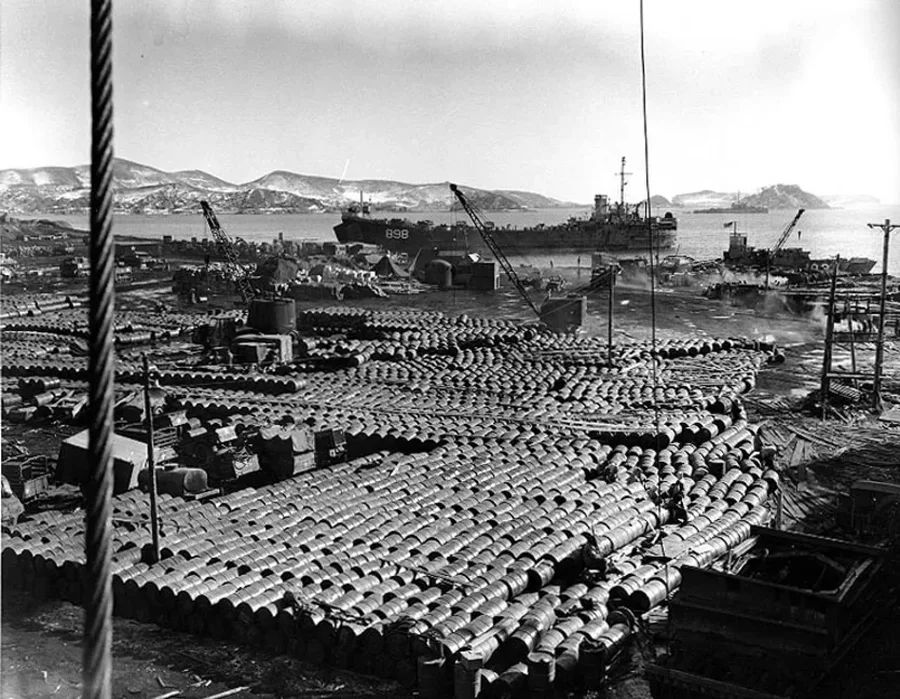
The fierce battle forced them to retreat towards Hungnam, on the east coast of North Korea, where a mass evacuation was being planned.
They were soon joined by tens of thousands of fleeing civilians.
"We planned to transport 25,000 people. Overnight, 50,000 North Koreans showed up wanting to leave, and that number quickly doubled," recalled US Vice Admiral James Doyle, who oversaw the evacuation operation.
"It was chaos, there were about 100,000 North Korean refugees flooding into the port," Burley Smith, a junior officer on the ship, told CNN.
"People were huddled together, with babies on their backs. There were lots of men, women and many children."
For more than 30 hours, starting on the morning of December 22, the last refugees were crammed into the Meredith Victory, with five barns, each with three floors of people. Others were placed on deck, in the most extreme cold ever experienced.
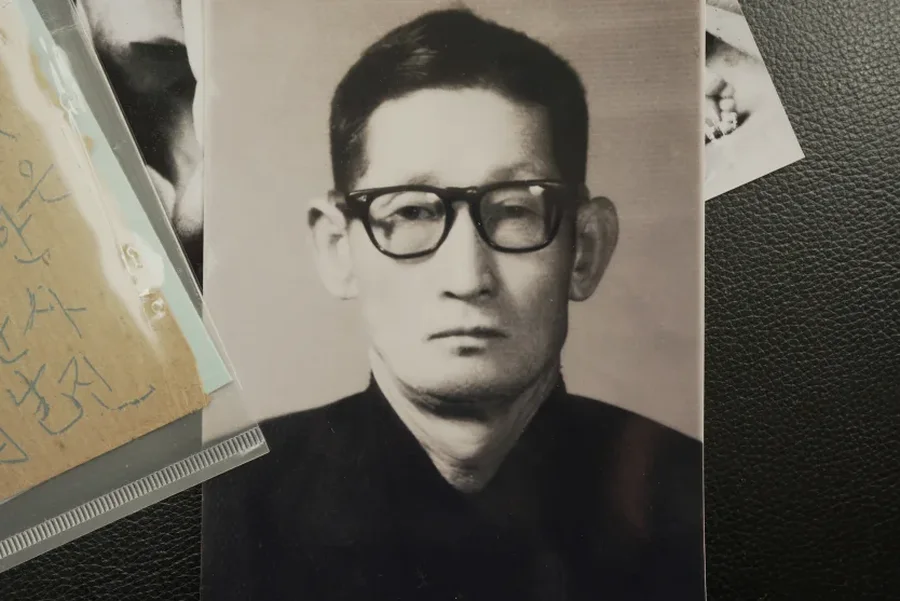
Among the refugees were the parents of Sohn Yang-young, Kimchi 1. They had left their first two children with their uncle in the North, believing the separation would be temporary.
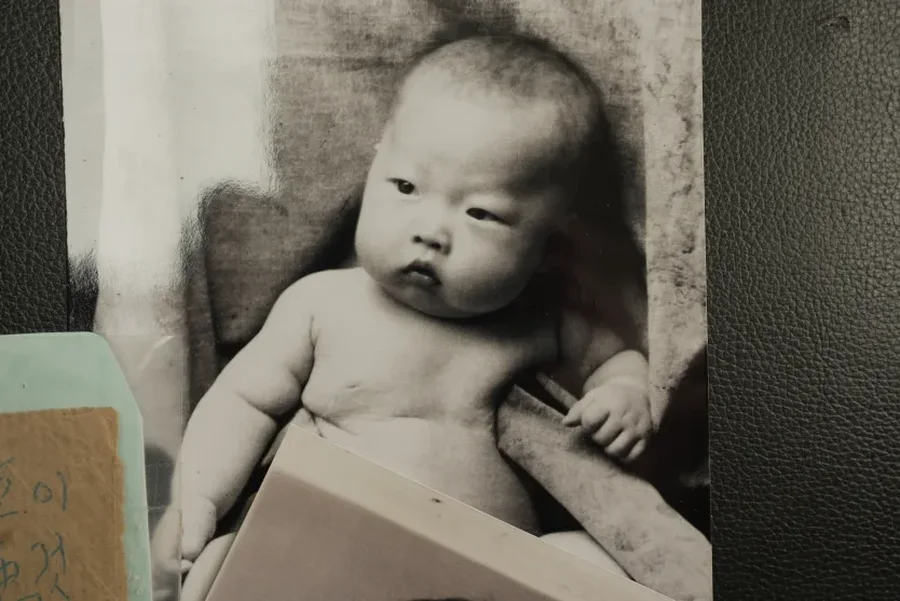
Sohn's father's high position would put the family at risk if the communists took control. So he was advised to take refuge in the South for a few weeks with his pregnant wife. But that never happened.
The ship was overcrowded. There was no light, heat, food, water or toilets. The conditions were inhumane, but miraculously no one lost their lives.
The five babies were born in the main cabin, with the help of the crew and Korean women.
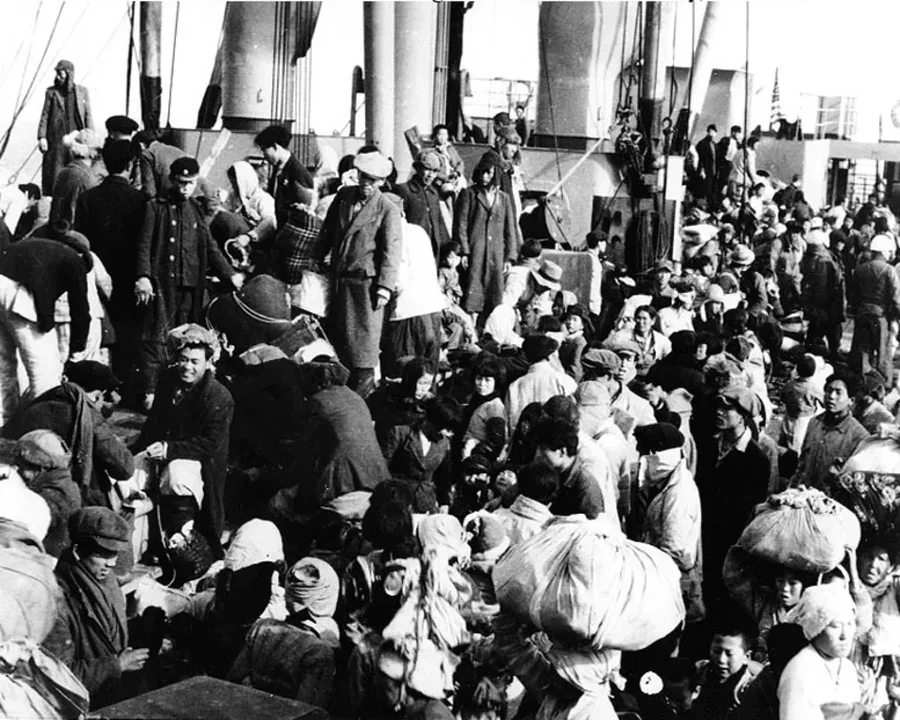
The ship arrived at Geoje Island, South Korea. There, Sohn spent the first seven years of his life.
Every morning, his mother prayed towards the North, hoping that the children she left behind would be well.
Today, 75 years old, Sohn continues to hope for a reunion.

“I will look for you until I close my eyes,” he said. “Stay strong and healthy until we meet again. We must meet again.”
Source: CNN