Being a parent is hard, and this is not just a worn-out phrase, but an everyday reality. Even the most patient parents get tired, get bored, lose control. But there are some sentences that, no matter how angry they are, do not build, but rather damage the child's self-confidence and emotional world.
Here are some of the sentences that conscious parents try to avoid:
1. “Don't cry”
When a child cries, it means they are experiencing something real to them. Even if the reason seems small or meaningless to you, it is not to them. Telling them “don’t cry” sends the message that their emotions are not acceptable. Children who grow up being allowed to express their feelings learn better how to manage them in the future.
2. "Leave it, I'll do it myself"
It's hard to watch a child try to do something and fail, especially when you're in a hurry. But this sentence robs the child of the opportunity to learn, make mistakes, and gain self-confidence. A much healthier alternative is: "Do you need help?" or "Can I show you an easier way?"
3. “I don’t like you when you do that”
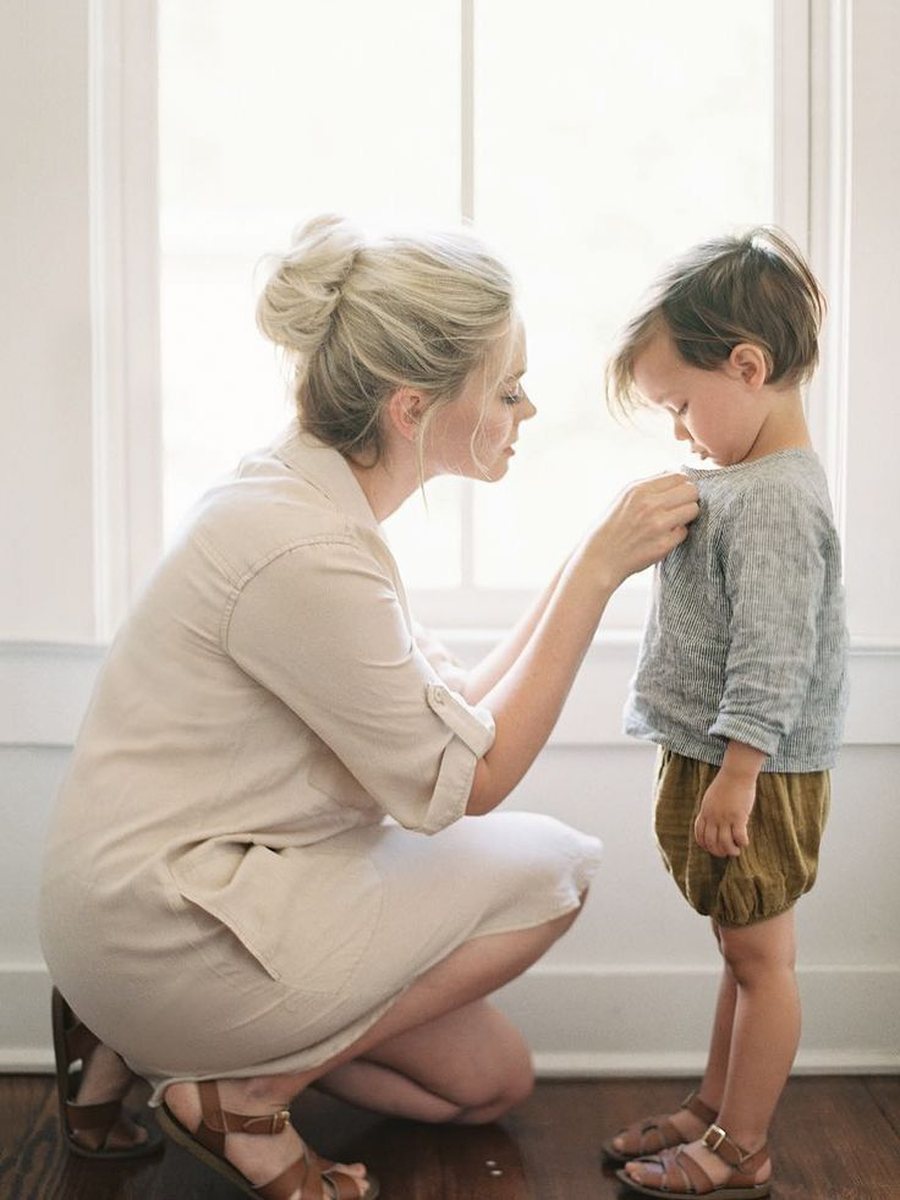
Even in the most difficult moments, a child should never feel that love is conditional. You may not like their behavior, but not the child themselves. Criticizing the action without hurting the person is essential to building emotional security.
4. "You don't have to be sad"
This sentence invalidates the child's experience. Who decides what is a “good enough” reason to be upset? For children, losing a toy or a minor annoyance can be a big deal. Parents who talk openly about emotions help children develop emotional intelligence.
5. “Only babies act like this”
Comparison and contempt do not calm any situation. On the contrary, they teach the child that expressing emotions is shameful. This sentence may seem innocent, but it leaves an imprint on the way the child sees himself.

6. “I am sacrificing a lot for you”
Parenting involves sacrifice, but children should not grow up feeling guilty about their existence. This sentence creates emotional pressure and the feeling that the child “owes” their parent their life. Studies show that growing up with chronic guilt is linked to low self-esteem.
7. “Leave me alone”
Every parent needs space, but the way it is asked for is very important. Instead, you can say, “Mom/Dad needs some time off.” That way, the child doesn’t take the rejection personally.
8. “I never have time for myself”
This is an emotional burden that does not belong to the child. If a parent feels overwhelmed, this is something that needs to be resolved between adults. Children should not feel like an obstacle in their parents' lives.
9. “Ask plenty of questions”
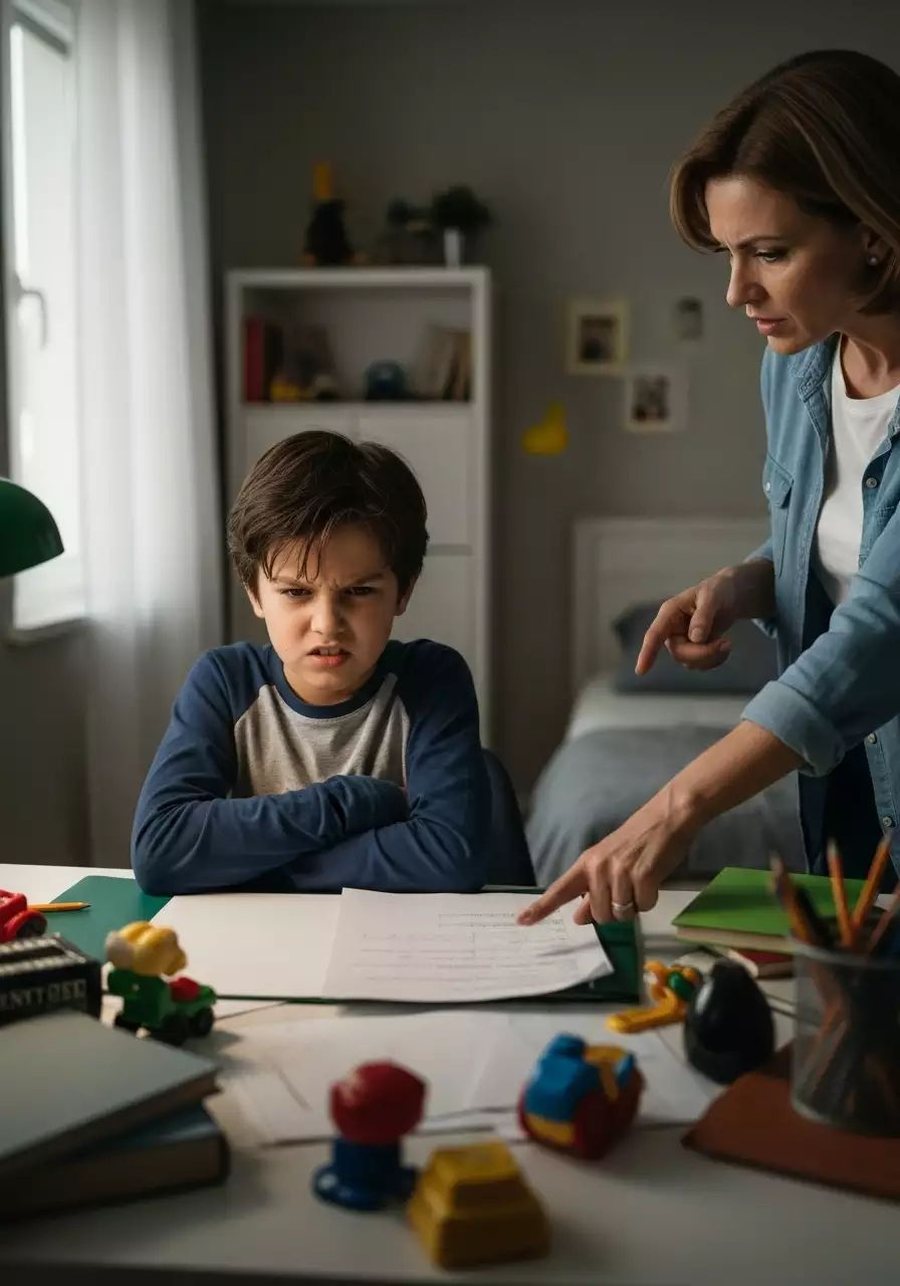
Endless questions are a sign of curiosity and development. Even when they are tiring, they are a child's way of understanding the world. To shut a child's mouth when they ask is to shut their desire to learn.
10. “I don’t care”
This is one of the most painful sentences you can say to a child. Whatever he is sharing with you is important to him. When you say “I don't care,” you teach him that his thoughts and emotions have no value, and that is a lasting wound.
-

-

-

Spouses with these 3 traits make living together hell!
February 2, 21:21 -

Personality test: What party are you?
February 2, 20:09 -

People who make their beds every morning have these 11 rare traits
January 30, 12:17