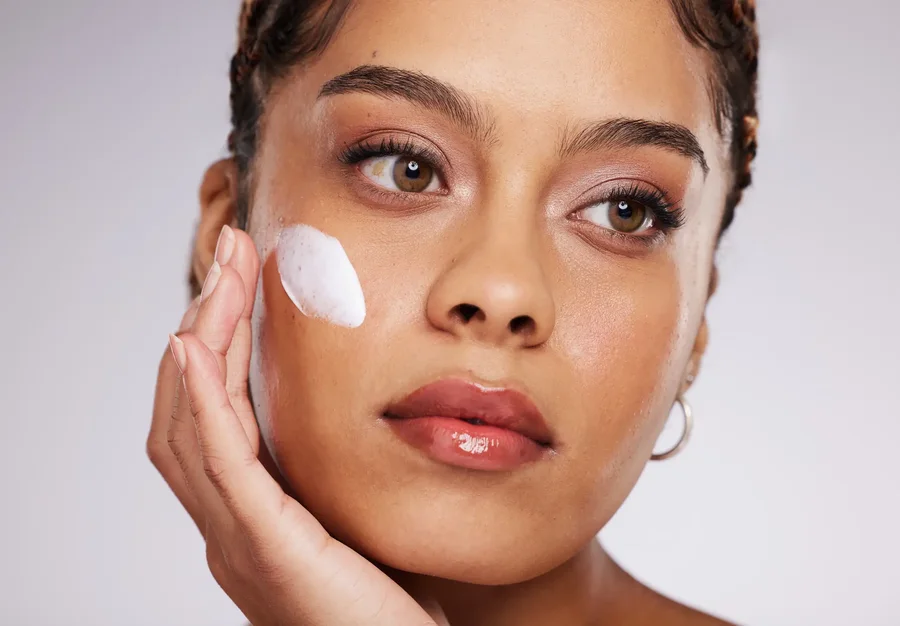
Many of us know that using SPF in the summer is essential to reduce the risk of sunburn and skin cancer. But should we also use it during the winter, when the sky is cloudy and the sun seems a little distant?
The issue is controversial. On the one hand, experts suggest using SPF all year round to prevent wrinkles. On the other hand, they advise us not to use sunscreen on cloudy days, so as not to hinder the production of vitamin D. So which is more correct?
Dermatologists explain that UVB rays (the ones that cause sunburn and increase the risk of skin cancer) are not as strong between October and March. “The risk of sunburn is lowest during the winter because less UVB energy reaches us from the sun,” says Dr. Mary Sommerlad, a dermatologist.
On the other hand, UVA rays are present all year round. “UVA penetrates deep into the skin, causing premature aging, spots and collagen damage, and most importantly, it penetrates even through clouds and windows,” says dermatologist Dr. Ophelia Veraitch.
That's why experts recommend using SPF even when the weather is cold and cloudy. "You also need a broad-spectrum sunscreen in the winter, especially if you're using retinol, exfoliants, or have had laser treatments," adds Dr. Sommerlad.
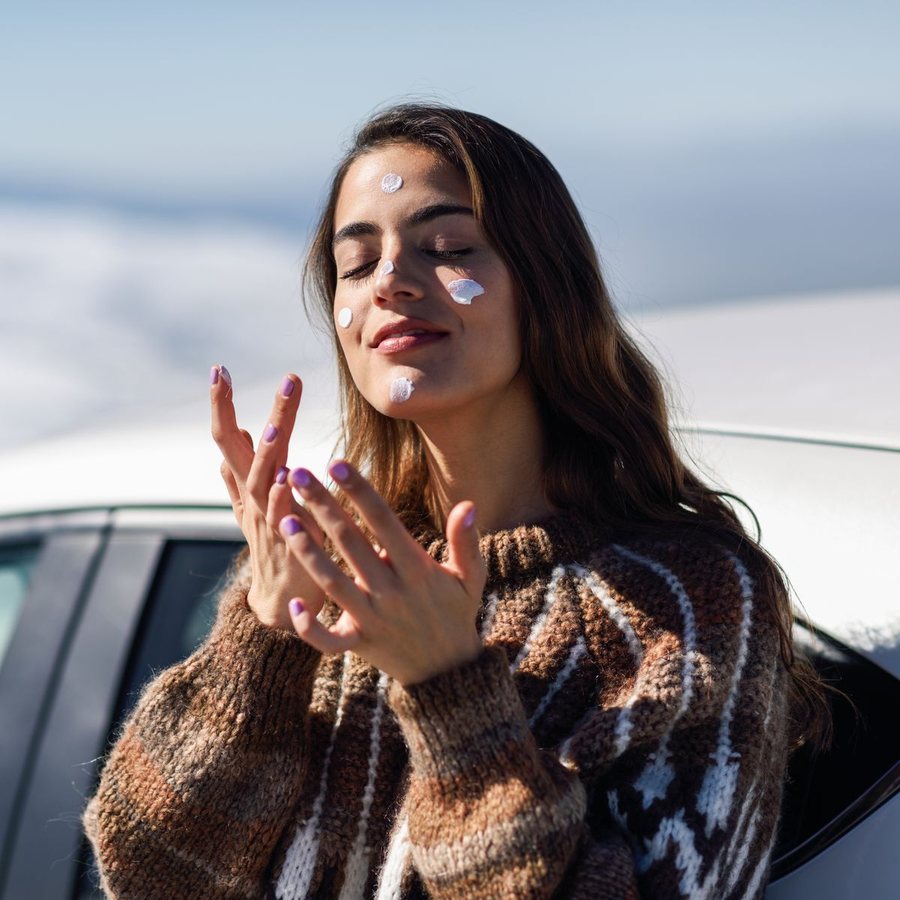
Does SPF affect vitamin D production during the winter?
It's true that 90% of absorbable vitamin D comes from the sun's UVB rays. But studies show that wearing SPF doesn't stop vitamin D production. Even with a high SPF, some UV rays still reach the skin. For example, SPF 15 blocks 93% of UVB rays, SPF 30 blocks 97%, and SPF 50 blocks about 98%.
Experts say that taking vitamin D through supplements is just as effective as sun exposure. A diet rich in egg yolks, fatty fish like salmon, and vitamin D-fortified products also help.
SPF 30 or SPF 50 in winter?
The choice depends on your skin type, concerns, and health history. SPF protects against UVB rays, but for winter, the focus should be on protection against UVA, which damages collagen and causes hyperpigmentation.
-

-

How the color of your car affects your luck, according to Feng Shui
January 9, 19:36 -

-

-

What to wear with leggings to look incredibly chic this season
January 6, 18:09 -