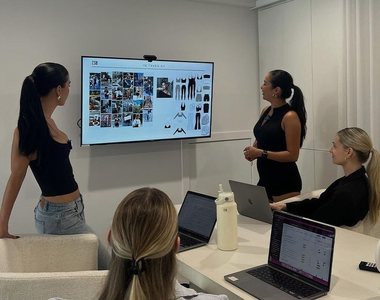
To get and keep a job, you usually need some technical skills, specific to that job or profession. Dentists need to know how to fill their teeth. Secretaries must write over 100 words per minute. Accountants must be certified.
However, beyond the technical capabilities, think a little: Which dentist do you go to? The one who is nice, polite, who remembers your name, etc., or the one who just leaves you in line and so on?
In such situations, it is soft skills that often make the difference.
While your technical skills can bring you close to many doors, your more "human" skills will play a crucial role in opening those doors.
Your work ethic, attitude, communication skills, emotional intelligence and a host of other personal attributes are the soft skills essential to career success.
With these soft skills you can shine as a leader, but not alone. Problem solving, delegation, motivation and team building are all much easier if you have good soft skills. Knowing how to get along well with people - and displaying a positive attitude - is crucial to success.
The problem is that the importance of these soft skills is often underestimated and much less training is provided for them than for "difficult" skills. For some reason, organizations seem to expect people to know how to behave at work. They tend to assume that everyone knows and understands the importance of being on time, taking initiative, being friendly, and producing high quality work.
The assumption that soft skills are universal leads to a lot of frustration. This is why it is so important to focus on training and developing soft skills as much as we get used to and trained for other skills.
Soft Skills Gap - Do You Have One?
When your workforce (personal or staff) has a lot of technical skills but a lack of soft skills, you have a soft skills gap. Soft skills are those that accompany difficult skills and help a business or even a single person to use their technical expertise to their full advantage.
- If you are really good at getting clients and not so good at retaining them, chances are you have a flaw in soft skills.
- If you have a lot of staff movement and need to keep retraining people, chances are you have some sort of lack of "soft skills".
- When you have a lot of managers, but not real managers - this is another indicator of a lack of soft skills.
It is important that you recognize the vital role that soft skills play and work consistently to develop them! You will gradually see how your life will improve, not just professionally.
Source: Mind Tools