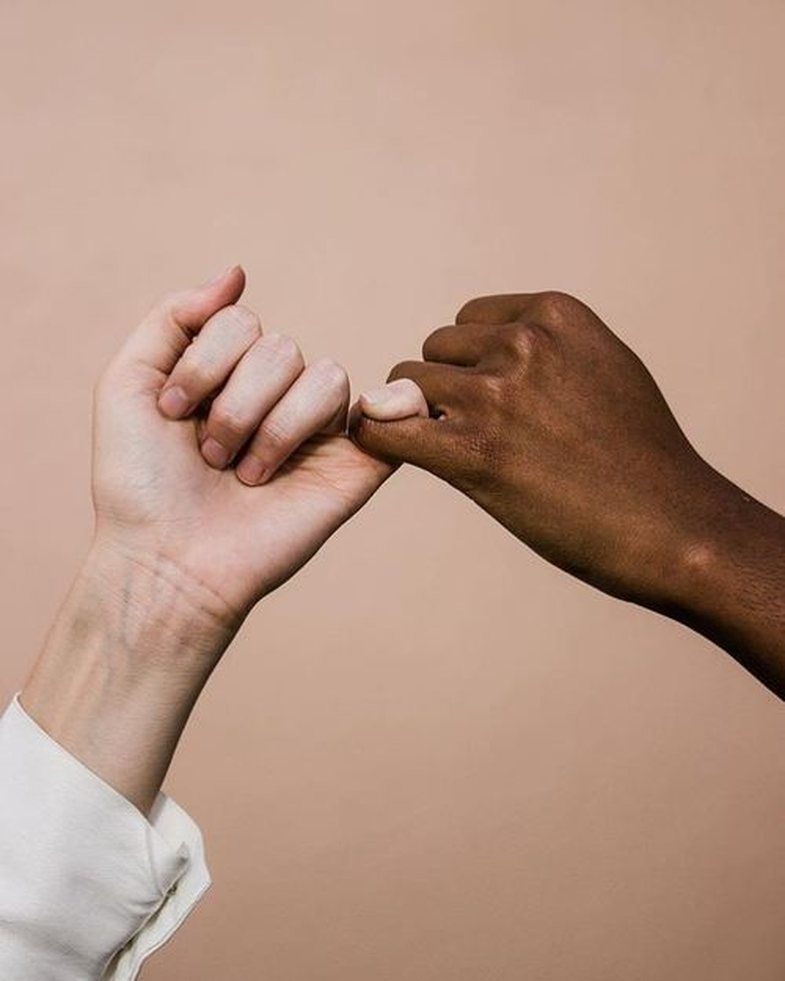
The first step to stopping racism is to understand it. But this is not always easy, because racism is a much deeper phenomenon than offending someone by skin color.
Racism is much more than being rude. Have you ever wondered why an African-American person can say the word nig * a while a person of another race doesn't? The same goes for Asians, who can make jokes with their faces, but others can?t because otherwise it is defined as racism. The reason for this phenomenon is related to three important elements: history, institutions and power.
History: History gives us a clearer explanation for why some races face discrimination and being unprivileged. Take the example of the Aboriginal Australians and Torres Strait, who face a number of problems that are not found in other Australians. These problems include: short life expectancy, high suicide rate, low employment rate, etc. The reasons for these problems are related to the distant colonial past in Australia, where autochthonous people were widely seen as inferior.
"But the first fleet went there a long time ago," anyone might ask. "Didn't the Aboriginal and Torres Strait Australians overcome these problems?" The short answer is "no". The long answer is, "They didn't get over it for one important reason: Institutions!"
Institutions: Institutions play an important role in eradicating racism. They include schools, the judiciary, and many organizations, why not churches. Institutions and history must work together to understand how to build a country. History has shown that the laws, schools, and bodies created - in this case in Australia, but this phenomenon is almost the same everywhere - were built by those who "occupied" and excluded indigenous people from the process, in this case the Aboriginal Australians.
When racism becomes part of institutions, it builds racist policies and the effects are long lasting. So many African-Americans feel excluded, imprisoned en masse, seen as strangers, and treated differently than anyone else.
Power: History and institutions create racial disadvantages and this creates a power imbalance based on race. For this reason an African-American may use the word nig * a, but a person another race not because it has historically been used as a denigrating word. It is when the use of such words is used to create stereotypes about another race, which historically lacks institutional power, that we turn to racism.
It should be noted that not only language can be racist. Even stereotypes that portray some races as lazy, dirty, unfaithful, etc., are also racist. Making jokes or making fun of someone by their face shape, manner of speaking, behavior, habits, dress, and more, are also racist actions and thoughts.
Sources: Reachout.com