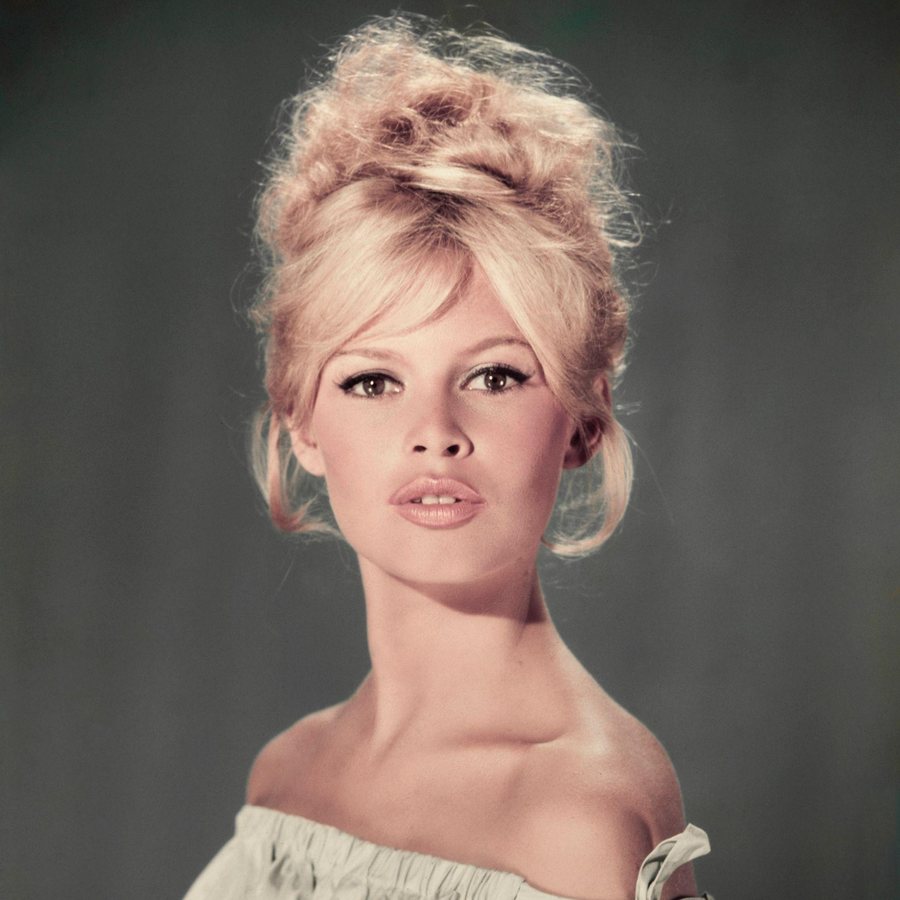
Brigitte Bardot, has died at the age of 91
Through a statement to Agence France-Presse, the Brigitte Bardot Foundation announced the actress's passing.
"The Brigitte Bardot Foundation announces with great sadness the death of its founder and president, Madame Brigitte Bardot, a world-famous actress and singer, who chose to abandon her prestigious career to devote her life and energy to animal welfare and her foundation," the statement said, according to the BBC.
However, no details were given on the place or time of death.
The news comes after reports that the actress had undergone surgery due to a "serious illness" in October 2025.
Numerous tributes have been paid to Brigitte Bardot, the French actress and singer who became an international sex symbol before turning her back on the film industry and dedicating her life to animal protection activism.
French President Emmanuel Macron wrote on social media that Bardot had "embodied a life of freedom" and "a universal brilliance." France was mourning "a legend of the century," he said.
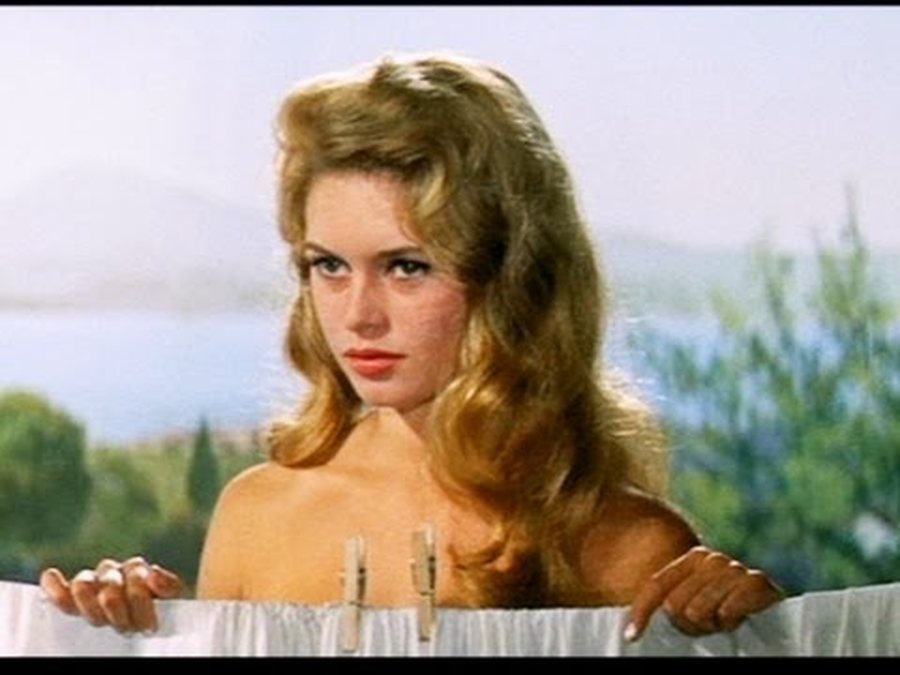
Bardot rose to international fame with the film And the God Created Woman (1956), written and directed by her then-husband, Roger Vadim. In the early 1970s, she retired from acting and became increasingly involved in political issues and animal rights activism.
However, her provocative statements about ethnic minorities, immigration, Islam and homosexuality led to several convictions for inciting racial hatred. Between 1997 and 2008, French courts fined her six times for her statements, particularly those against the Muslim community.
Born in Paris in 1934, Bardot was raised in a wealthy, traditional Catholic family. She excelled as a ballerina and studied at the prestigious Paris Conservatory, while also working as a model. At the age of 15, she appeared on the cover of Elle magazine, which paved the way for her first film roles. At an audition, she met Roger Vadim, whom she married in 1952.
The film "And the God Created Woman," in which she played the role of a free-spirited teenager in Saint-Tropez, turned Bardot into an international icon.
She became an inspiration not only for the cinema audience, but also for artists and intellectuals. Simone de Beauvoir dedicated a famous essay to her in 1959, presenting Bardot as the freest woman in France. In 1969, Bardot was chosen as the first real model for the figure of Marianne, the symbol of the French Republic.
In the 1960s, she starred in popular French and international films, including "The Truth," "Contempt," and several Hollywood productions. At the same time, she also developed her musical career, including the original recording of Serge Gainsbourg's song "Je t'Aime… Moi Non Plus."
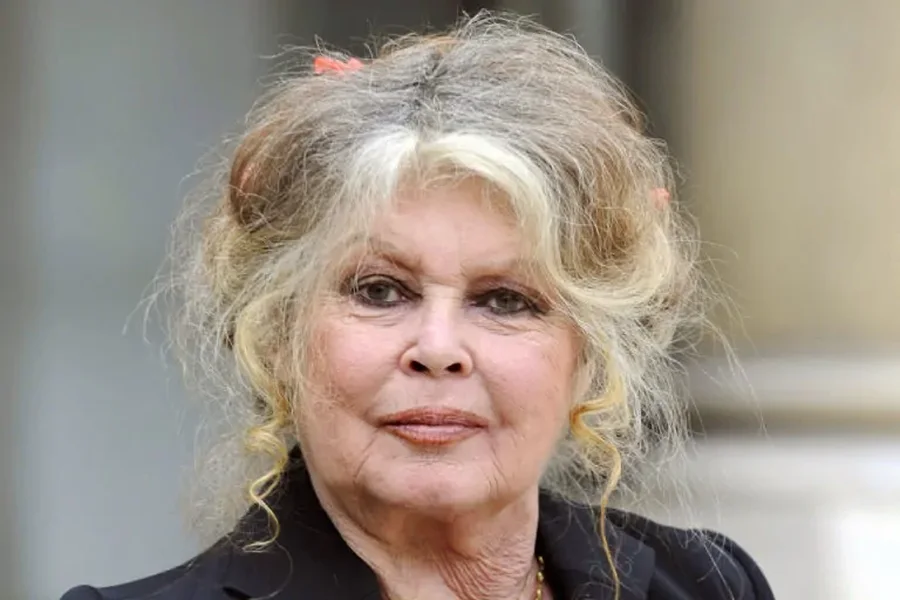
Tired of fame, Bardot finally retired from acting in 1973, at the age of 39. From then on, her main focus became animal protection. She founded the Brigitte Bardot Foundation in 1986 and protested against seal hunting, dolphin killings, and animal abuse around the world.
Bardot was married four times and had one son. Her private life and strong political stances were often the subject of controversy, but her influence on French and world culture remains undisputed.