Trump's Greenland threat pushes Brussels towards economic 'Article 5'
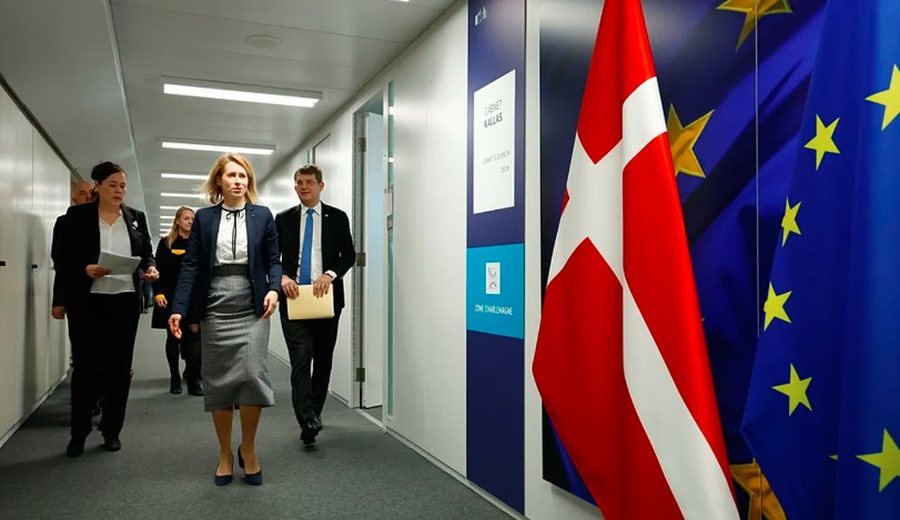
Washington's increasingly hostile talks over Greenland have prompted some EU capitals to consider using its relatively new, never-before-seen power of economic destruction.
The Anti-Coercion Instrument, still untested, is a law that entered into force at the end of December 2023, giving the EU a mechanism for a collective response when a member of the bloc exerts pressure to “make a particular choice by implementing or threatening to implement measures affecting trade or investment.”
This move comes after Donald Trump threatened to impose an additional 10% tariff on some European countries, which would increase to 15% on June 1 if they continued to disobey.
Spain to observe three days of mourning after train crash that killed at least 40 people

Spain will begin three days of mourning on Tuesday as rescue teams continue to search the wreckage of train carriages for more victims after a crash that killed at least 40 people and injured dozens more.
The country's Prime Minister, Pedro Sánchez, pledged that the investigation would be complete and transparent, while the Transport Minister considered it "very strange" that a derailment had occurred on a straight section of track, a section which he said was renovated in May.
This accident is considered the worst rail disaster to occur in Spain in more than a decade.
Bulgarian president resigns, seeks to become prime minister
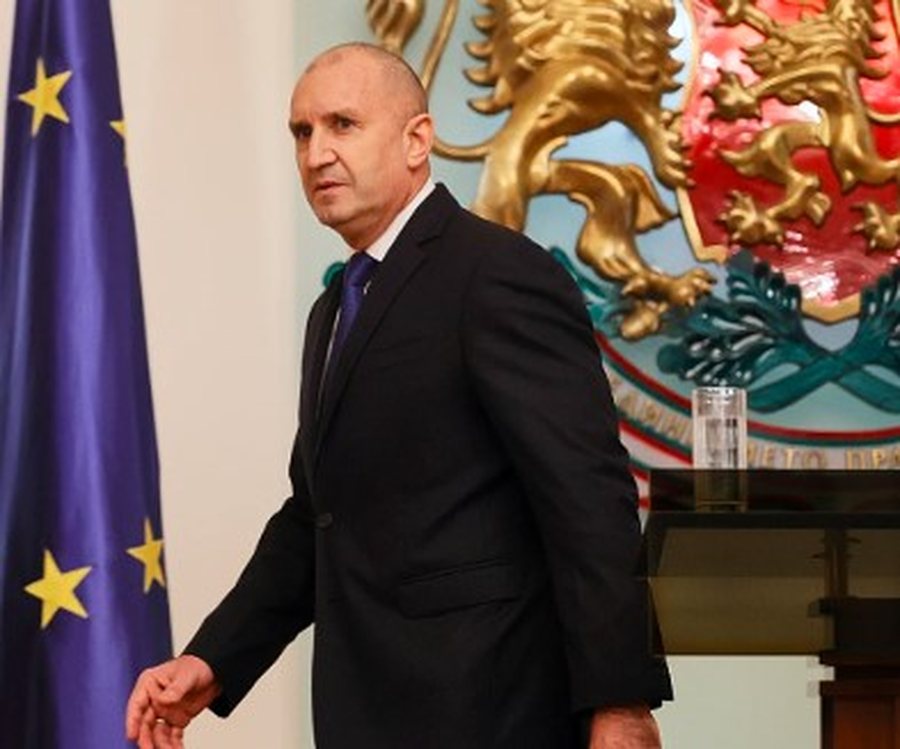
Bulgarian President Rumen Radev announced on Monday that he is resigning as head of state, heralding the launch of a new political project just two months before early parliamentary elections in the country engulfed in an ongoing political crisis.
"Our democracy cannot survive if we leave it in the hands of corrupt figures, negotiators and extremists," the president said, adding that he would formally submit his resignation on Tuesday.
Ruman Radev has held the presidency of Bulgaria for nine years and rumors that he would become part of the parliamentary race have been circulating for some time.
Penguins are accelerating their mating season, but why are scientists so worried?
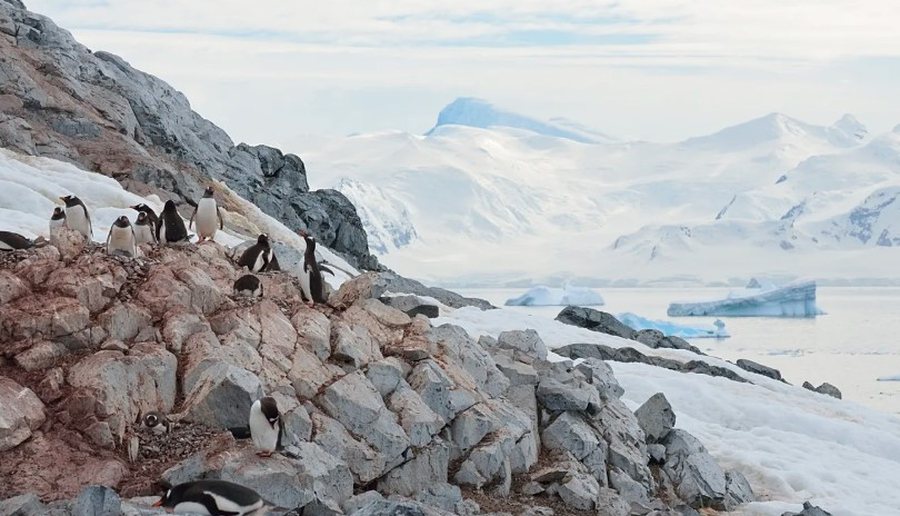
Penguin breeding season in Antarctica is accelerating due to rapidly rising temperatures,
Scientists warn that this change could create "winners and losers" among species, favoring some and endangering others,
Changes in breeding times could affect access to food and increase the risk of disrupting the balance of the Antarctic ecosystem.