Trump warns after meeting with Netanyahu that Hamas will "face hell" if it does not disarm
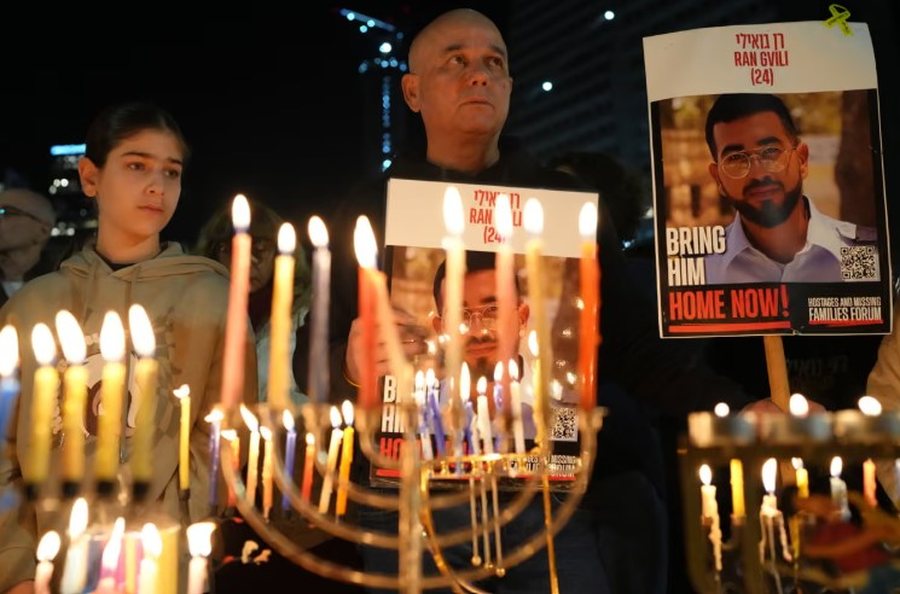
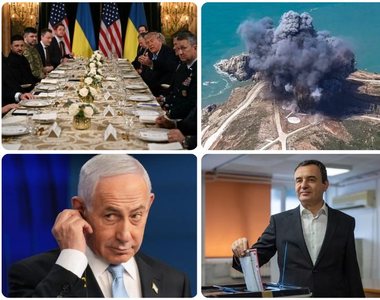
Donald Trump warned that Hamas will face "very serious consequences" if it does not disarm, giving his full support to Israeli Prime Minister Benjamin Netanyahu after their meeting in Florida.
Netanyahu announced he would award Trump the Israel Prize, the country's highest civilian honor, as the US tries to push forward the second phase of its Gaza peace plan after the October ceasefire.
Although Trump blamed Hamas alone for blocking the process, the militant group refuses to disarm, while the situation in Gaza remains unstable and with ongoing casualties.
Zelensky says Kiev can't win without US support, as Putin orders advance on Zaporizhzhia
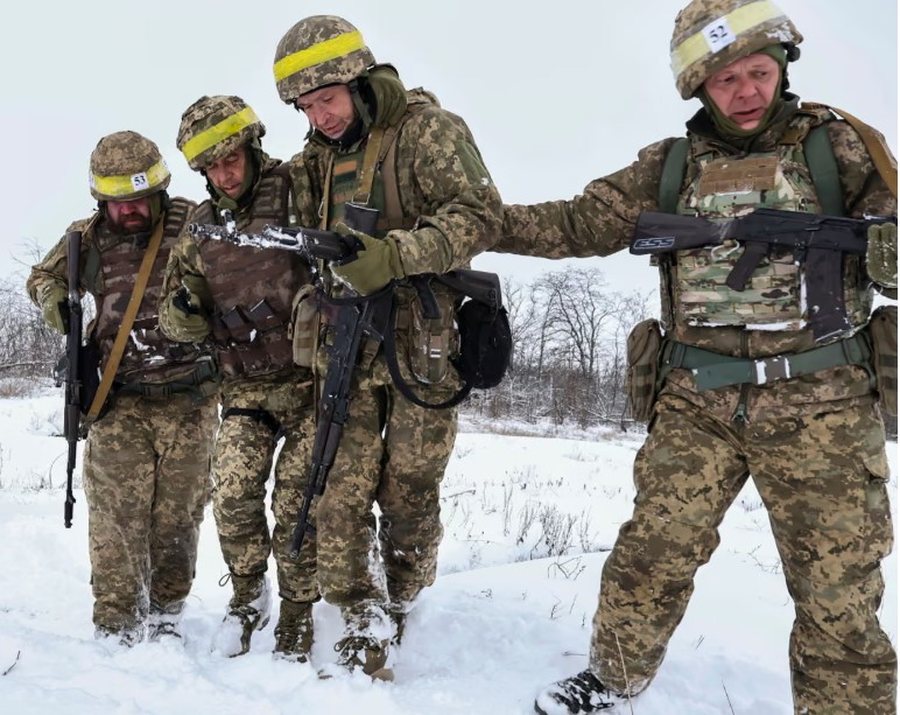
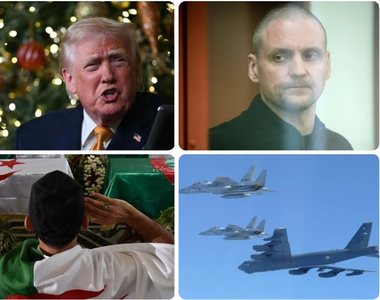
Zelensky declared that Ukraine cannot win the war against Russia without US support, calling the Kremlin's claims of a Ukrainian attack on Vladimir Putin's residence "typical Russian lies" and accusing Moscow of sabotaging peace efforts.
He described his meeting with Donald Trump as productive, but stressed that he does not trust Putin and that Russia does not want success for Ukraine.
Meanwhile, Putin ordered further advances in the Zaporizhzhia region, where Russian forces claim to be closing in on the main city, while Russia insists it has the strategic initiative on the battlefield.
Saudi Arabia bombs Yemen over arms shipment it claims UAE sent to separatists
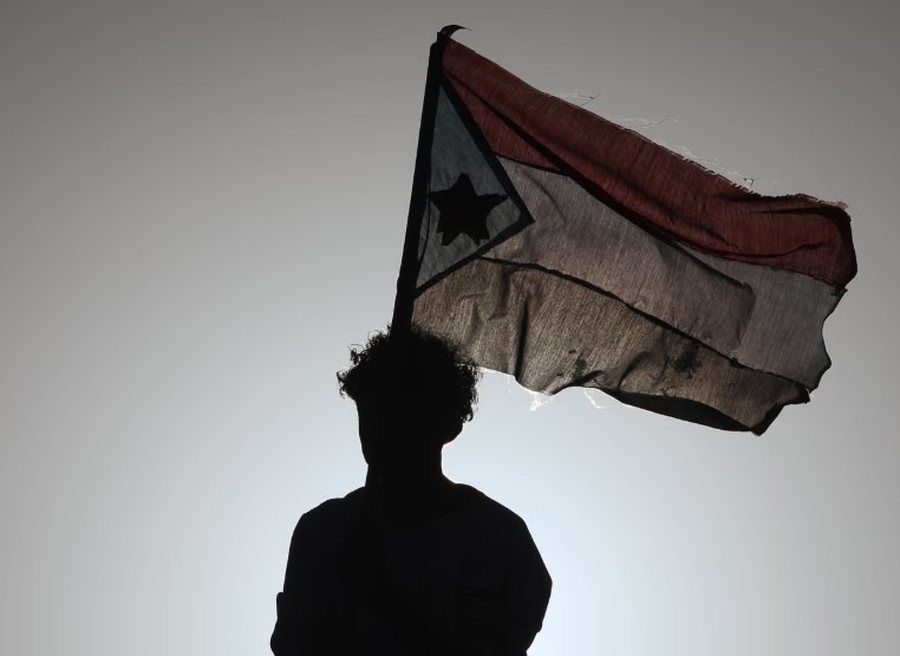
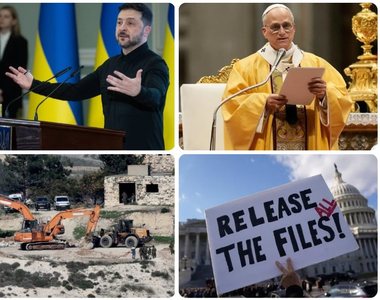
Saudi Arabia bombed the Yemeni port of Mukalla, claiming that a shipment of weapons from the United Arab Emirates for the separatist forces of the Southern Transitional Council had arrived there.
The attack marks a new escalation of tensions between Riyadh and the Emirati-backed separatists, and deepens the rift between the two allies in Yemen's long war against Houthi rebels.
Saudi Arabia said the strikes were aimed at neutralizing an immediate threat, while the Emirates did not immediately respond to the allegations.
*Separatist forces are groups or movements that seek to secede from a state and create a separate state or administration.
Two new subtypes of multiple sclerosis discovered thanks to artificial intelligence
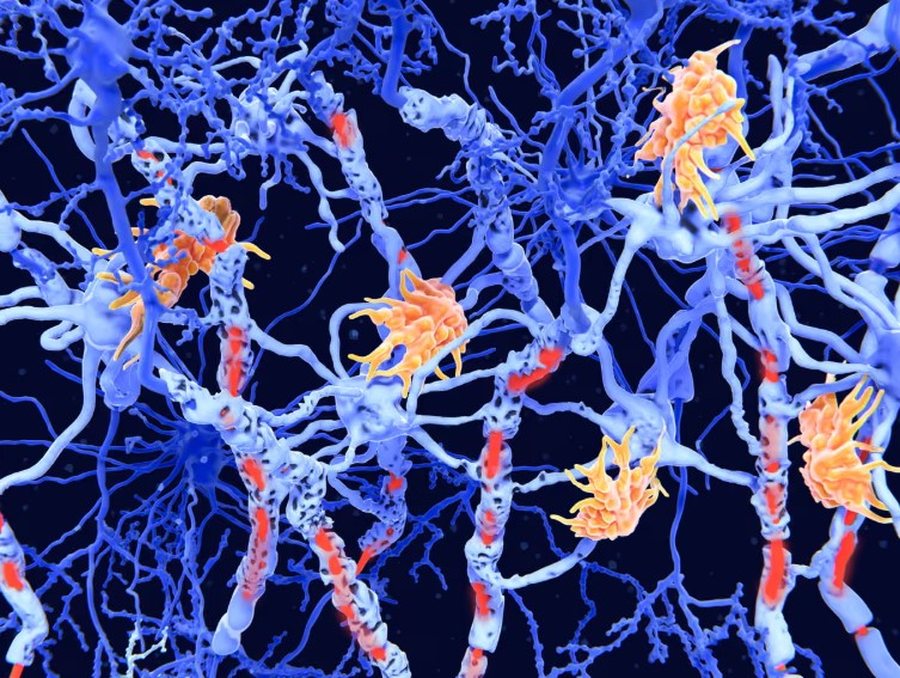
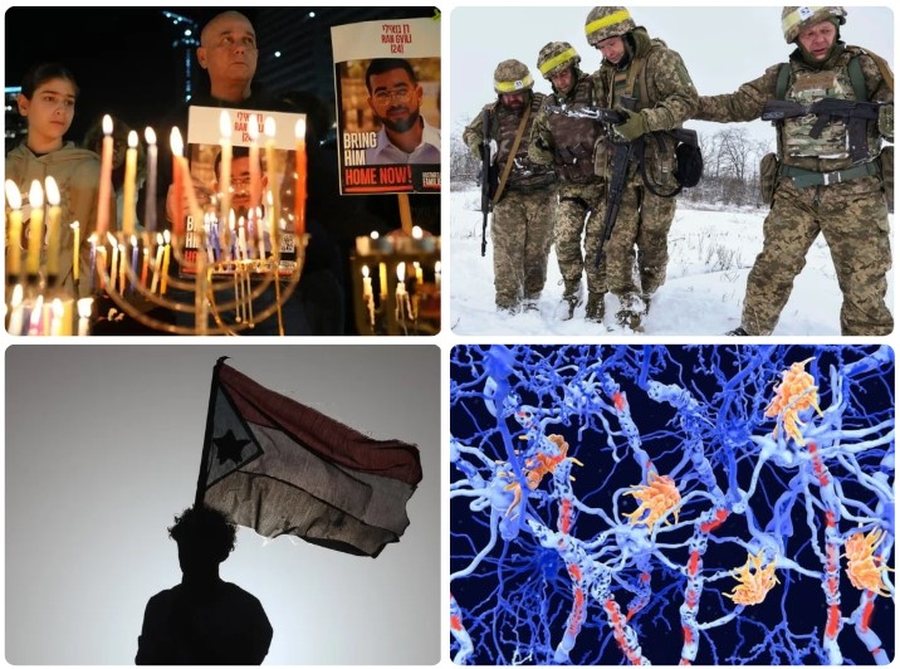
Scientists, using artificial intelligence, have discovered two new biological subtypes of multiple sclerosis, paving the way for more personalized treatments.
The discovery was based on blood tests, MRI scans and data from 600 patients, identifying a more aggressive form that shows damage early and another slower one where damage appears later.
Experts say this advance could revolutionize the treatment of multiple sclerosis by focusing on the biology of the disease, not just the symptoms.