An estimated 40.8 million people worldwide are living with HIV, and last year alone it caused about 630,000 deaths.
Since 1988, scientists, doctors, family members and activists around the world have marked December 1 as World AIDS Day to remember the victims of the HIV/AIDS epidemic and promote efforts aimed at ending it.
Since the beginning of the crisis, an estimated 44.1 million people have died from causes related to HIV, the virus that causes AIDS. An estimated 91.4 million have been infected over the years.
Although recent decades have brought remarkable advances in HIV prevention and treatment, experts warn that recent funding cuts from rich countries could lead to a resurgence of infections in the most affected regions.
On the 37th World AIDS Day, these are eight key developments in the fight against this devastating epidemic.
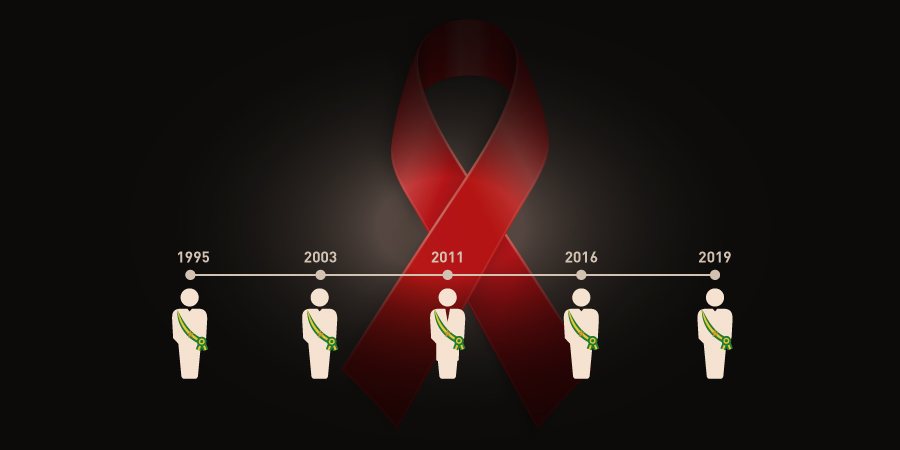
1981: First cases reported
In June, health authorities in the US reported a mysterious illness affecting young, seemingly healthy men who later died. Hundreds of other cases were soon identified, including drug users, hemophiliacs, and patients who had received blood transfusions.
Europe began monitoring AIDS in 1984 and at the end of 1985 the first HIV test was developed.
This period marked the beginning of what later became known as the HIV/AIDS epidemic, which would dominate science and public opinion for decades.
1996: New treatment significantly reduces AIDS deaths
After many years of research, scientists discovered that highly active antiretroviral therapy (HAART), a combination of three drugs, was extremely effective.
HAART strengthens the immune system by suppressing the virus and slowing the progression of HIV to AIDS. This treatment transformed an HIV diagnosis from a "death sentence" to a manageable chronic disease, for those who could afford it.
The consequences were immediate : deaths fell in countries that had access, while the number of people living with HIV increased due to increased testing and diagnosis.

2003: PEPFAR is created
The US launched the President's Emergency Program for AIDS Relief (PEPFAR), initially a $15 billion plan for countries with high caseloads.
By 2025, the program had saved the lives of more than 26 million people in 50 countries, making it the largest global health program for a single disease.
2011: Antiretrovirals prevent HIV transmission
At a conference in Rome, scientists confirmed that antiretroviral drugs not only treat HIV, they also significantly reduce the risk that an infected person will transmit the virus to a sexual partner.
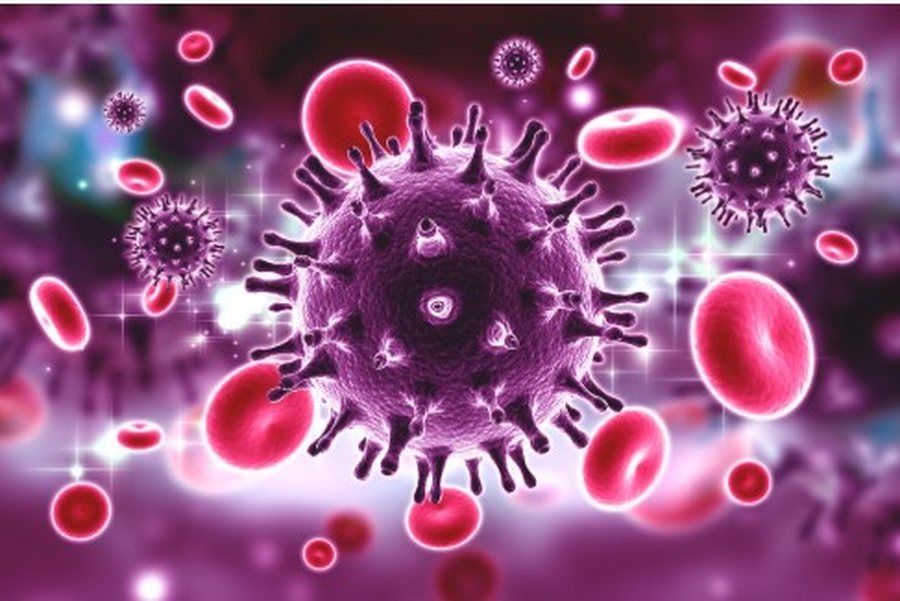
2012: First PrEP drug approved
US authorities approved Truvada for pre-exposure prophylaxis (PrEP), while the EU approved it in 2016.
PrEP is a daily pill for people at higher risk, such as gay and bisexual men, transgender people, and sex workers, and reduces the risk of infection from sexual intercourse by up to 99%, and from injections by up to 74%.
In rich countries, the combination of antiretrovirals and PrEP has changed the course of the epidemic. In the United Kingdom, new diagnoses among gay men fell by two-thirds between 2015 and 2020.
2020: The challenge of scaling up prevention and treatment
In 2014, UNAIDS set the 90-90-90 target for 2020:
– 90% of people with HIV should know their status
– 90% of them were treated
– 90% had low viral loads
Sweden was the first to achieve it in 2016. But in 2020, only 19 countries came close to or fully achieved the target.
2024: Six-month PrEP injection heralded as major innovation
Studies showed that an injection of the drug lenacapavir protects against HIV for up to six months, double the duration of the previous version.
The EU approved it in 2025 and cheaper generic versions were planned to arrive in low-income countries in 2027.
2025: Funding cuts jeopardize progress
This year, US foreign funding for health programs was abruptly cut, causing delays in treatment in many countries. The UK, Germany and France have also sharply reduced global funding.
Experts warn that these cuts could undermine years of work against HIV/AIDS, malaria and tuberculosis.
Today, an estimated 40.8 million people are living with HIV worldwide, and the virus is responsible for about 630,000 deaths a year. Africa remains the hardest-hit continent, with more than two-thirds of cases.
Source: Euronews