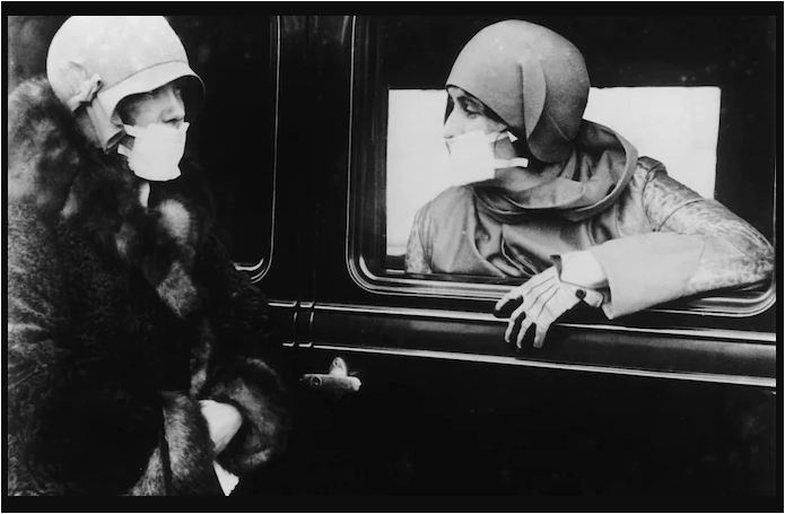
Will Covid ever disappear? When can a pandemic end? How will it end? Since the beginning of the pandemic, epidemiologists and public health specialists have tried to predict what might happen to Covid in order to curb the spread of the disease. But predicting infectious diseases is tricky.
Not Varlik, an associate professor of history at Rutgers University and a historian studying disease and public health - in an article for the Conversation - analyzes several pandemics that have occurred in the past.
Varlik notes that in the early days of the pandemic, many people hoped that the coronavirus would simply disappear. Some argued that it would disappear on its own due to the high summer temperatures. Others claimed that herd immunity would begin as soon as humans were infected. But none of this happened.
Meanwhile experts say that even with successful vaccines and effective treatment, Covid-19 may never go away. Even if the pandemic is inhibited in one part of the world, it is likely to continue in other countries, causing infections elsewhere. So even if it is not a pandemic (global) threat, the coronavirus is likely to become endemic - meaning that slow and sustained transmission will continue. The coronavirus can continue to cause infections in smaller groups, much like the seasonal flu.
Once they appear, the diseases rarely go away
Whether bacterial, viral or parasitic, virtually any pathogen that has affected humans for thousands of years is still with us because it is almost impossible to eradicate them completely.
For example, pathogens like malaria. There were approximately 228 million cases of malaria and 405,000 deaths worldwide in 2018. Since 1955, global malaria eradication programs have had some success, but the disease is still endemic in many countries.
Similarly, diseases such as tuberculosis, leprosy, and measles have been with us for several millennia. And despite all efforts, immediate eradication is not yet apparent. Varlik also mentions cases of HIV or Ebola, influenza virus and coronaviruses, including SARS, MERS and SARS-CoV-2 (the latter causes Covid).
Vaccines and treatments are effective, but that does not mean the disease will go away. Probably no disease can help illustrate this point better than the plague, the single most deadly infectious disease in human history.
“Ka pasur shpërthime të panumërta lokale dhe të paktën tre pandemi të dokumentuara të murtajës gjatë 5000 viteve të fundit, duke vrarë qindra miliona njerëz. Më e famshmja nga të gjitha pandemitë ishte Vdekja e Zezë e mesit të shekullit të 14-të,” shton ajo. Disa shoqëri u rikuperuan relativisht shpejt nga humbjet e shkaktuara nga Vdekja e Zezë. Të tjerët nuk e bënë kurrë.
“Shpresojmë që Covid-19 të mos vazhdojë për mijëvjeçarë. Por edhe me vaksina të suksesshme, askush nuk është i sigurt. Politika është vendimtare: Kur programet e vaksinimit dobësohen, infeksionet mund të kthehen sërish. Vetëm kujtoni fruthin dhe poliomielitin, të cilët rishfaqen sa ulet programet e vaksinimit.”
Sipas virologes Kirsty Short në Universitetin e Queensland-it, “Covid do të largohet si një fërshëllimë, jo si zhurmë e fortë". Pra, nuk ka një kohë specifike kur mund të themi se në këtë datë, nuk ka më Covid. "Për të eliminuar një virus nga popullata njerëzore është tepër e vështirë. Kjo ka ndodhur vetëm me një patogjen njerëzor dhe është lija," tha për ABC News Dr. Short.
"Për ta bërë këtë, duhet një strategji globale vaksinimi. Për më tepër, duhet një vaksinë që ofron mbrojtje kundër virusit dhe kundër çdo mutacioni që mund të shfaqë virusi.”
Drejt sëmundjes endemike
Varianti Omicron, për të cilin studimet kanë treguar se është më ngjitës se Delta, por përgjithësisht çon në infeksion më pak të rëndë sidomos për njerëzit e vaksinuar, ka rritur shpresat e shumëpritura se Covid-19 ka filluar të kalojë nga një pandemi në një sëmundje endemike më të menaxhueshme si gripi sezonal. Por Covid na ka surprizuar disa herë, ndaj vështirë të parashikohet 100%. Megjithatë OBSH është optimiste: 2022-shi mund të shënojë fundin e pandemisë (por kjo nuk do të shënojë kurrsesi fundin e Covid).