
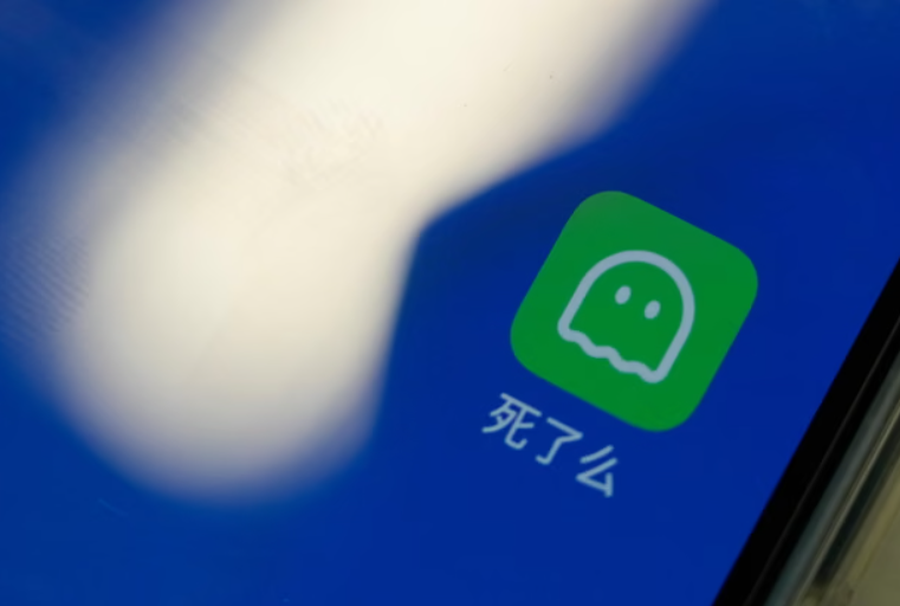
The fear of dying alone is becoming more and more apparent as more and more people live in isolation in big cities. This anxiety, long-standing but rarely mentioned directly, has come to the fore with the popularity of a Chinese app called “Are You Dead?”, designed for people who live alone. The app requires a daily confirmation from the user to show that they are okay; if this action is missed for several days in a row, an emergency contact is automatically notified.
The simple idea behind the app went viral precisely because it tapped into a silent fear: the possibility of someone dying unnoticed. For many users, the app represents not only a practical safety tool, but also a minimal form of human contact, a sign that someone, somewhere, will notice their absence.
Experts link this fear to profound social changes. The decline in marriage and birth rates, the increase in the number of people living alone, work and distance from the traditional family have created conditions where loneliness has become part of everyday life. Although many people consciously choose to live alone, this choice is often accompanied by emotional insecurity and fear of emergency situations, especially in cases of illness or accident.
While technology is providing practical solutions to these concerns, the case of this app has opened a broader debate about its limits. Is an automated notification enough to replace human interaction? Or do such apps simply make a deeper social problem, related to isolation and lack of community, more visible?
Essentially, the app's success speaks not just to technology, but to a society where the fear of dying alone is becoming a common, yet still unspoken, concern.
-

"Are you alive?": This app is taking the internet by storm
January 15, 22:30
Source: Guardian