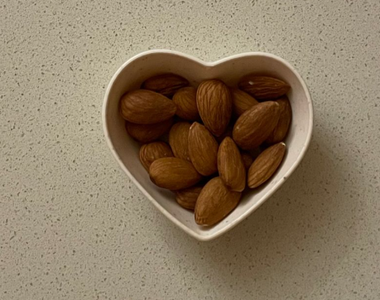
Migraines are one of those ailments that come on suddenly and can ruin your entire day. They are very common and, for some people, extremely painful. The causes are many: hormones, stress, lack of sleep, but nutrition also plays a bigger role than we think.
The exact cause of migraines is still unknown. Some experts link them to hormonal changes, especially the drop in estrogen during the menstrual cycle. However, two factors that are widely recognized as migraine triggers are stress and an unbalanced diet. Although some triggers are individual, there are foods that are generally considered safe for migraine sufferers, as well as foods that often prove problematic.

If you're not sure what to eat and what to avoid when your headache becomes unbearable, this guide can help.
What to eat when you have a migraine
There are no foods that completely prevent migraines, but some of them support overall health and do not promote it.
Vegetables
Colorful vegetables are a safe and beneficial choice. They contain vitamins, minerals, and antioxidants that help the body function better and maintain energy levels. What's more, many vegetables have a high water content, such as peppers, cucumbers, leafy greens, carrots, and sweet potatoes, helping to prevent dehydration, which is a common cause of headaches.
water

Dehydration is directly linked to migraines, and about a third of people who suffer from this condition report that a lack of fluids is a possible cause. Drinking enough water throughout the day helps prevent headaches. For those who don't prefer plain water, you can add lemon slices, cucumbers, or fresh herbs.
Whole grains
Whole grains like brown rice, whole wheat pasta, quinoa, and barley are good sources of fiber and contribute to digestive and heart health. They do not contain any known migraine-inducing ingredients, making them a safe choice for people who suffer from frequent headaches.
Fruits
Fruits provide vitamins, minerals, antioxidants, and fiber, while their high water content helps with hydration. Figs and bananas are particularly beneficial due to their high potassium content, which helps maintain fluid balance in the body and reduces muscle fatigue. In the case of dried fruits, it is recommended to avoid those containing sulfites, as they can trigger migraines.
Fish and seafood
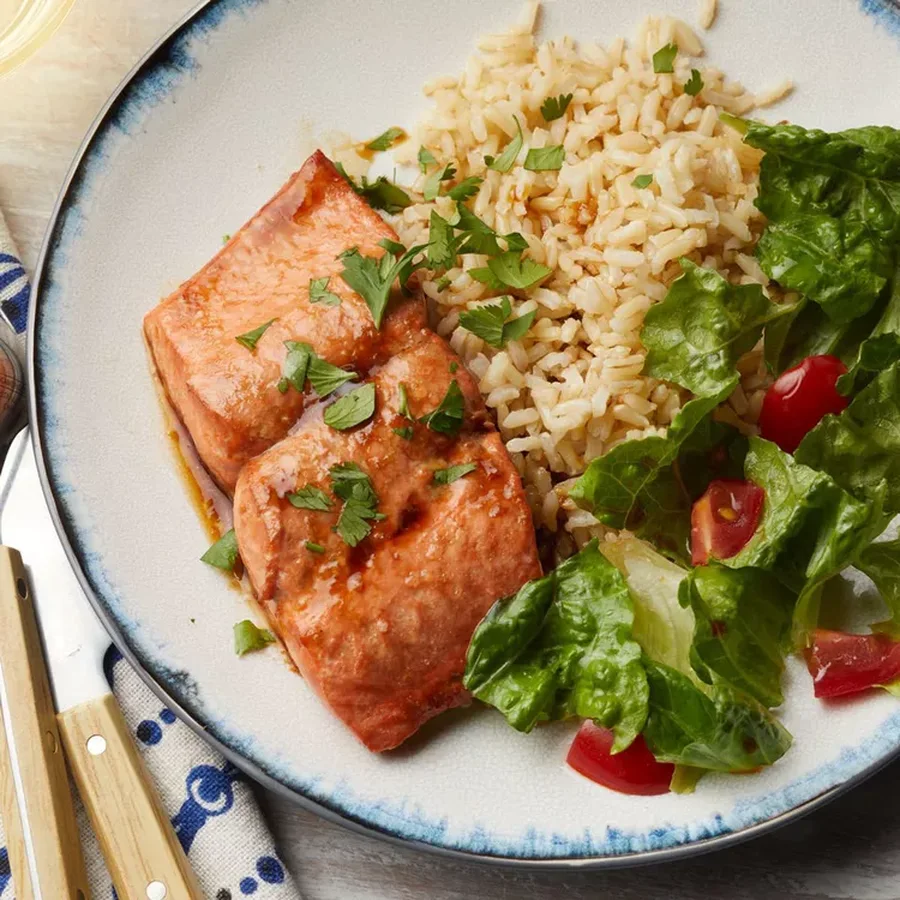
Regular consumption of fish and seafood provides healthy omega-3 fats and quality protein. Omega-3 helps reduce inflammation and improves overall health, making it easier to manage migraines in the long term.
Foods that can worsen migraines
Not all migraine sufferers have the same triggers, but certain foods are more often linked to worsening symptoms.
Aged cheeses
Cheeses like Cheddar, Gruyère, Parmesan, Brie, and blue cheese contain tyramine, a compound that can affect brain neurotransmitters and trigger migraines, especially when consumed in large quantities.

Fermented foods
Sauerkraut, kombucha, miso, sourdough bread, and pickled vegetables are high in tyramine and, for some people, can trigger headaches. Although considered healthy, they are not always the best choice for migraine sufferers.
Processed meats
Processed meats often contain nitrates and nitrites, which dilate blood vessels and can cause headaches. They also contain tyramine. The best choice remains fresh meat, simply prepared, accompanied by fresh vegetables.
Red wine
The sulfites and flavonoids found in red wine can be migraine triggers for some people. For those who don't want to avoid alcohol completely, a limited amount of white wine may be better tolerated.

Diet drinks
Aspartame, present in diet drinks, has been linked to headaches in some people. Although calorie-free, these drinks are not the healthiest choice and can be replaced with sparkling water or natural drinks without artificial sugar.
chocolates
Although much loved, chocolate contains tyramine and can worsen migraines, especially during the menstrual period, when estrogen levels drop. Consuming it in small amounts or substituting it with fresh fruit may be a better alternative.
-

What do migraines and endometriosis have in common?
December 19, 14:36 -

Why does chocolate cause headaches and migraines in some people?
September 5, 15:43 -

4 things you can do to keep migraines under control
October 4, 14:28 -

Symptoms that indicate that that headache could be a migraine
September 6, 14:20 -