If the videos circulating on your social networks during this time seem familiar to you, to the point that you're starting to think the algorithm is taking you back in time, you're not entirely wrong.
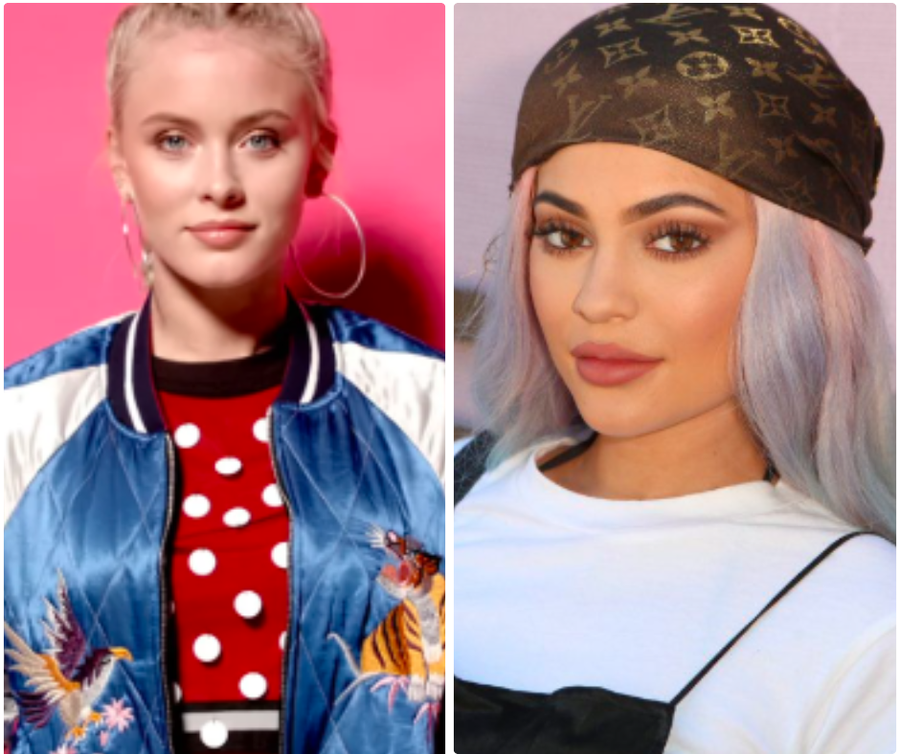
Filters, bold makeup, glossy edits and Zara Larsson's hit "Lush Life" are back. Online, many young people are saying: "2026 is the new 2016" and the internet seems to have been waiting for this moment.
How did it all start?
The phrase began to spread in December 2025 thanks to the Great Meme Reset, a social media movement when online searches for the phrase peaked worldwide. One TikTok user proposed January 1, 2026, as a “reset day,” but it’s not about a completely new beginning.
This year, the playful and humorous internet culture of 2016 may return. Soon, users began reposting memes, bringing back the lighthearted humor of that time.
Why does 2016 matter?
Aside from what is circulating about 2016, we can say that it was a fairly easy year to live through.
It was a lightness that we didn't realize we were experiencing. Music seemed like a shared experience. Everyone shared the same jokes and the same trends. Style was uncomplicated, light colors were the most used for hair. You could see tight necklaces behind the neck, lipsticks and Adidas shoes almost everywhere. During that time, everyone showed their style openly without fear of prejudice. In short, for many young Gen Z and early millennials, 2016 felt like the height of online joy.
What people are looking for now is not a return to skinny jeans or certain playlists. It's a return to the feeling of that time. Nostalgia seems to have become a coping mechanism.
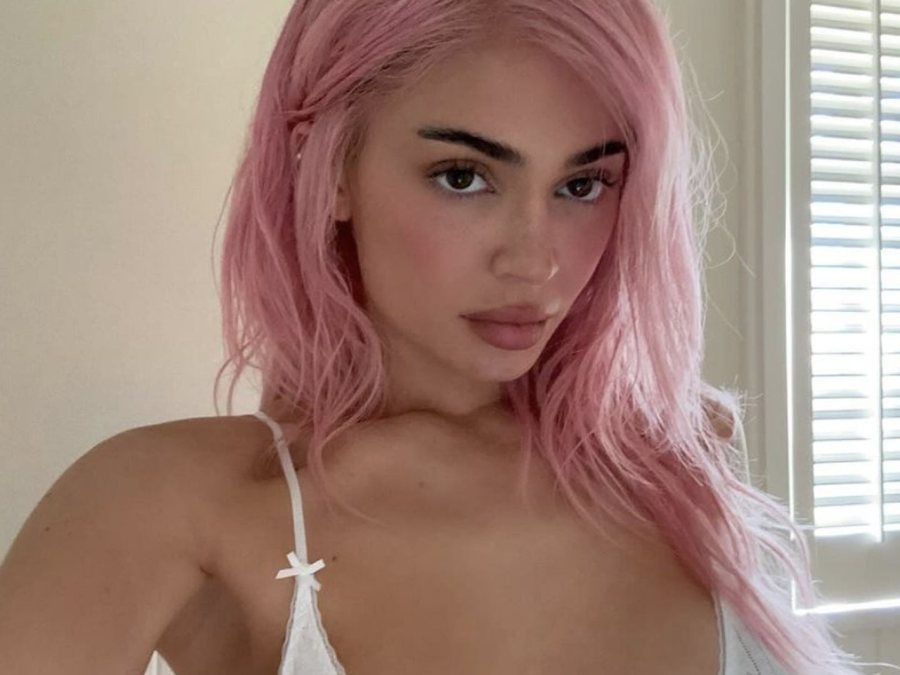
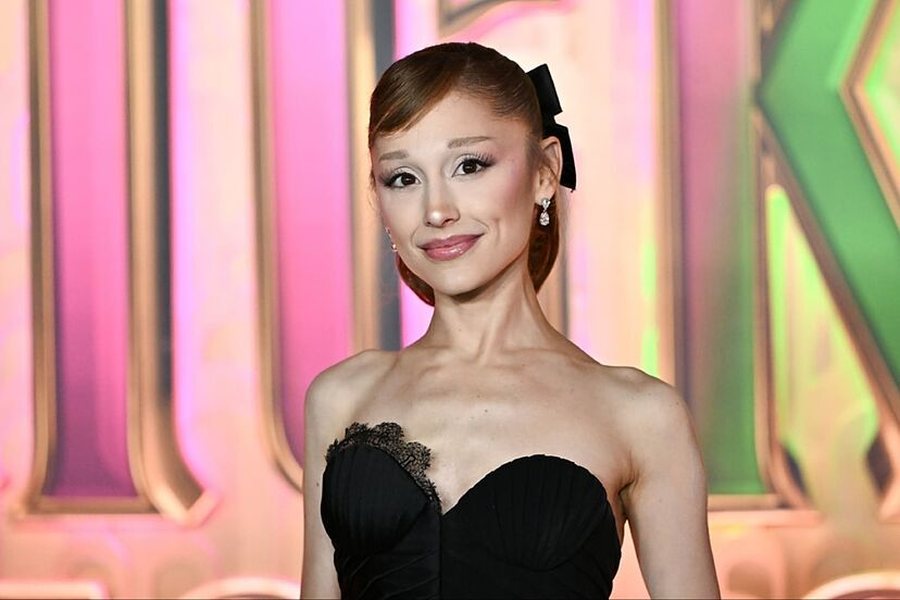
The 2016 look is making a comeback, but with an update. Minimalist makeup is giving way to a more expressive one.
People continue to revisit series that began in 2016. Even many celebrities like Kylie Jenner and Ariana Grande are reliving footage from that period during which their number of followers grew.
Why does Gen Z want this?
The pandemic, the pressure to look perfect online, has led many young people to choose joy over perfection.
According to digital creator Harman Kaur, people are tired of following the algorithm, they want the internet to be fun again.