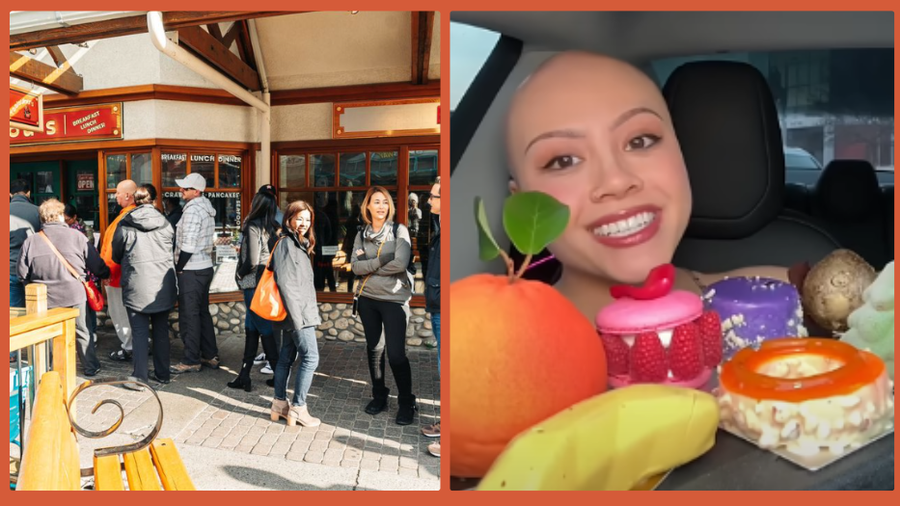
Don't you often find yourself rushing, even when it comes to an open market in your neighborhood? Well, let us tell you that experts have an explanation for this.
FOMO, or fear of missing out (events, experiences), is the name they have given to this obsession of each of us to be the first to secure the latest product. This, even if it is a sacrifice, is accompanied by hours of waiting in line.
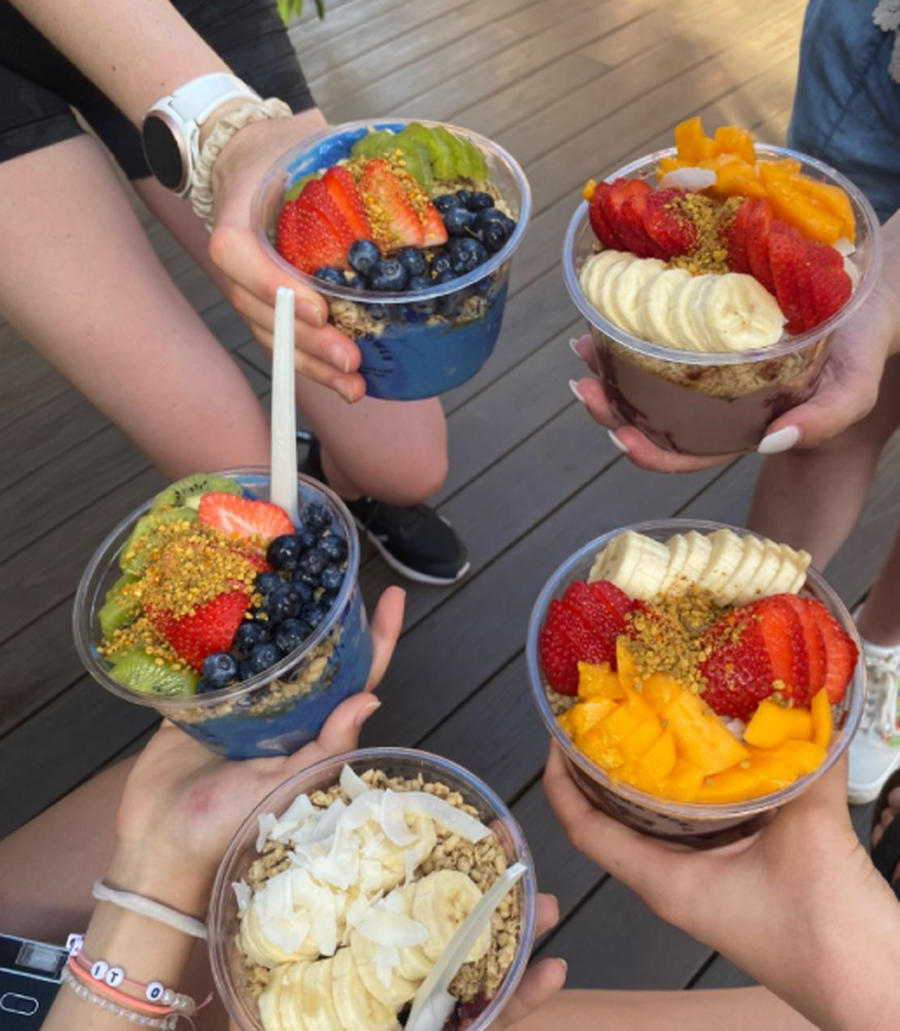
After opening FabelFriet, the most popular French fries shop in Amsterdam, Thomas AP van Leeuwen, an academic and author, noticed how every day, tourists would wait in line for hours just to get a box of fries and then post what they had bought on TikTok and Instagram.
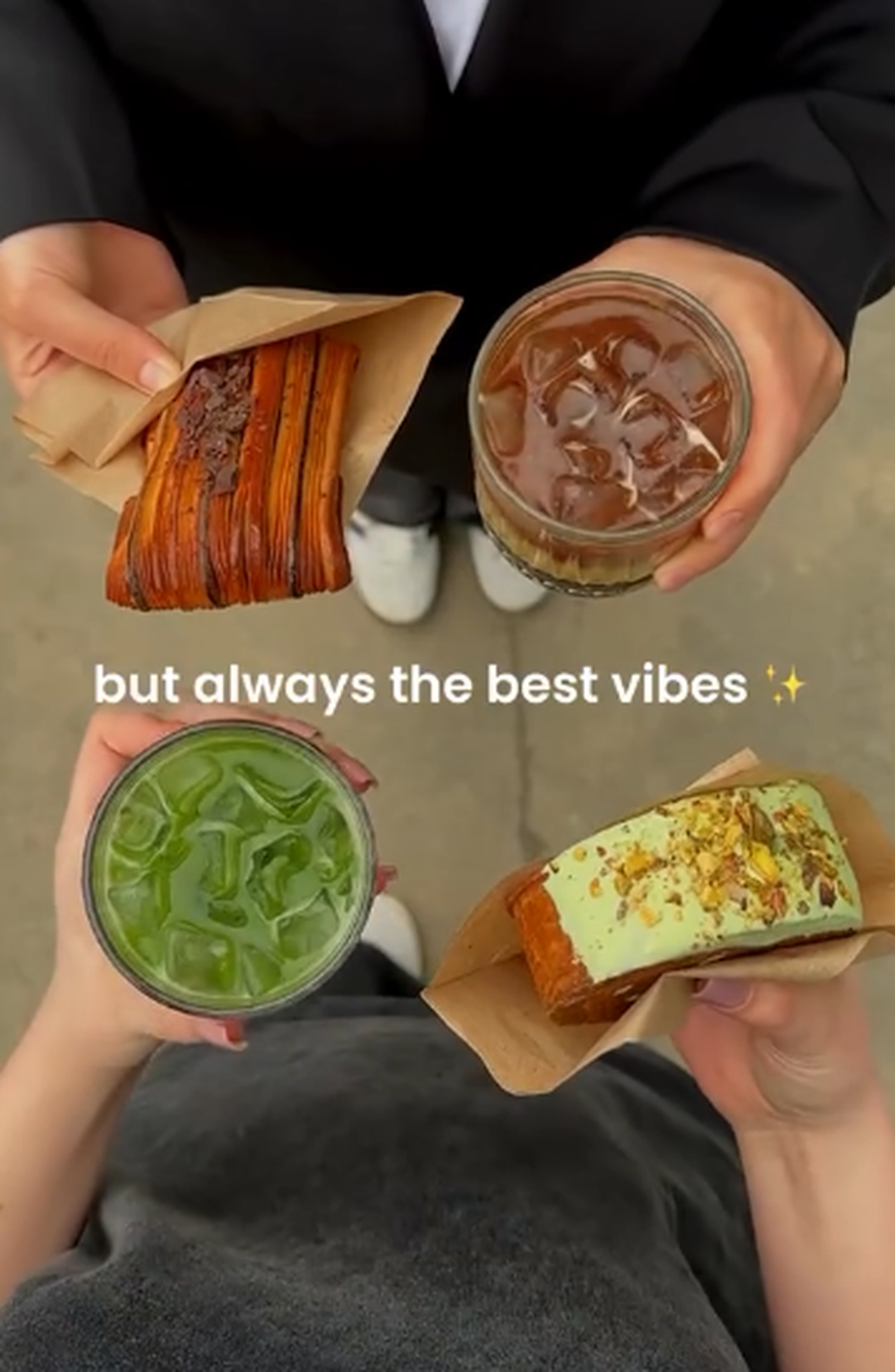
This store went viral in 2023, three years after opening, and the queue has remained the same ever since. So much so that employees and signage in that area were considered a necessity just for crowd management.
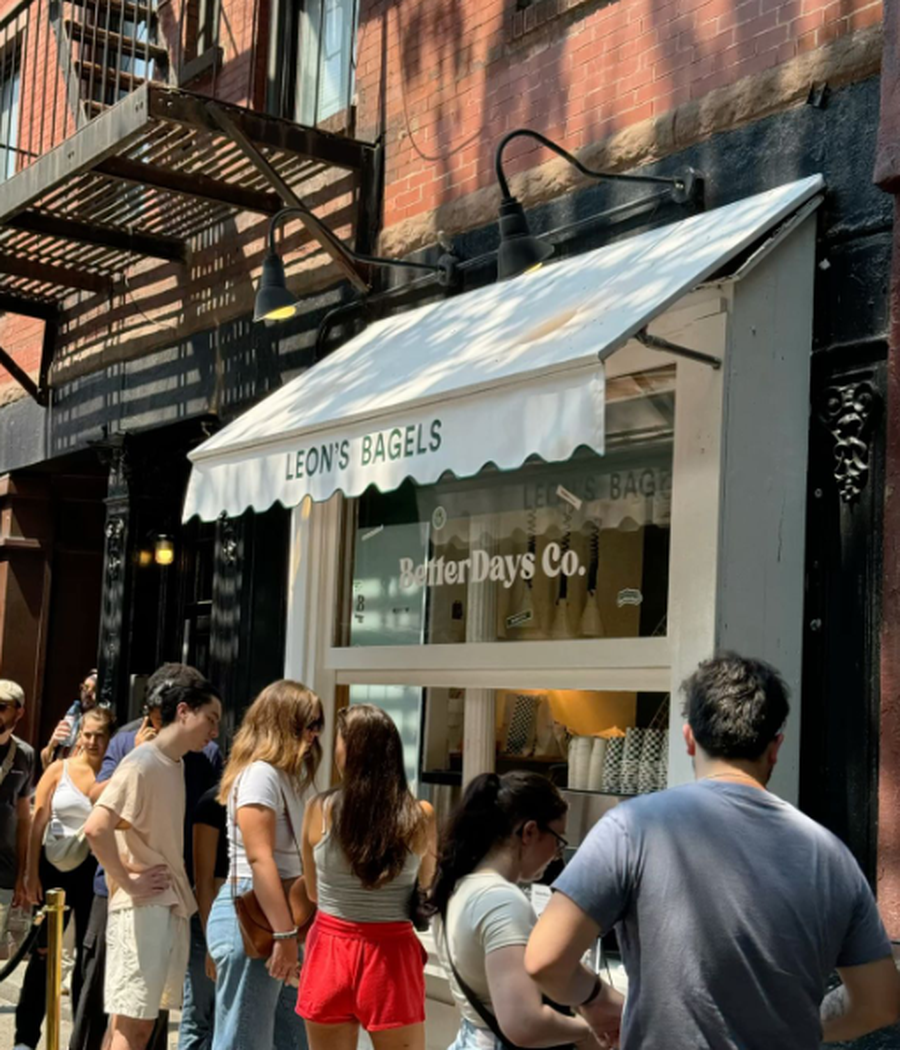
This is certainly not the only thing that happens there. From what is circulating on the networks and the enthusiasm that accompanies the long hours of waiting, it seems that many travel with one main purpose: to try viral foods.
The same happens with L'Industrie pizza, in New York, with the meat sandwich of Beigel Bake in London, while in Japan and the US, the craze for "I'm Donut?" has taken on global proportions. Italy is not far behind, its famous All'antico Vinaio sandwiches, now also create queues in Britain and the US.
But according to psychologists, the queue is not necessarily directly related to the food, more so to the way social networks are affecting modern travel.
But why do we get pulled over?
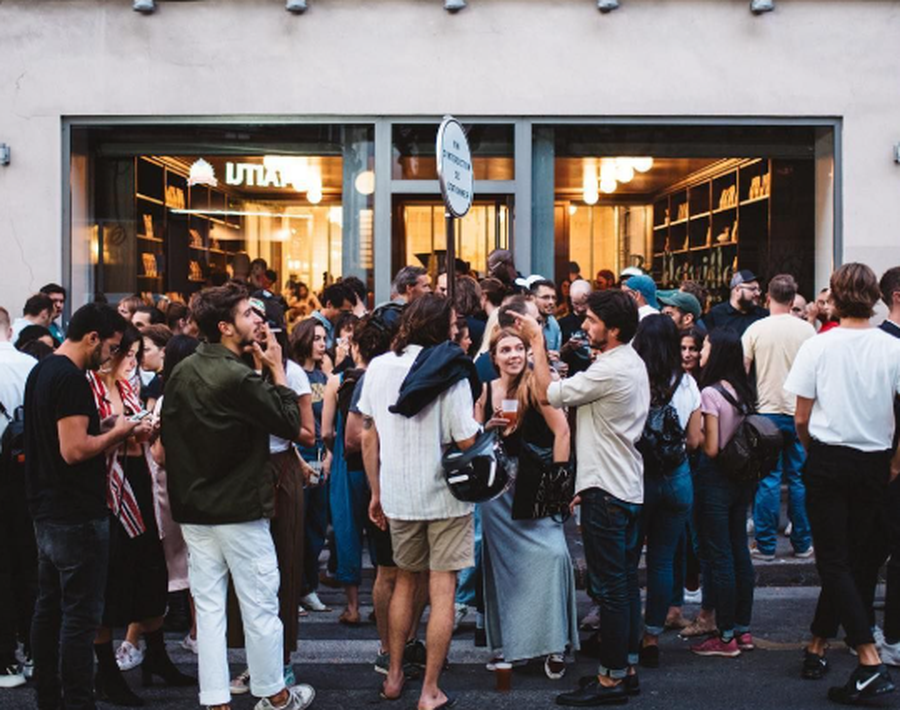
According to experts, the queue indicates popularity. The desire to make a product your own increases as you see a crowd of people waiting in line to buy it.
Consequently, this decision influenced by the majority, which takes up a good part of your time, is nothing more than a public performance. The goal in itself is not to buy food, more so to document your entire experience. That waiting is not just for you, but for everyone who follows you on social media.
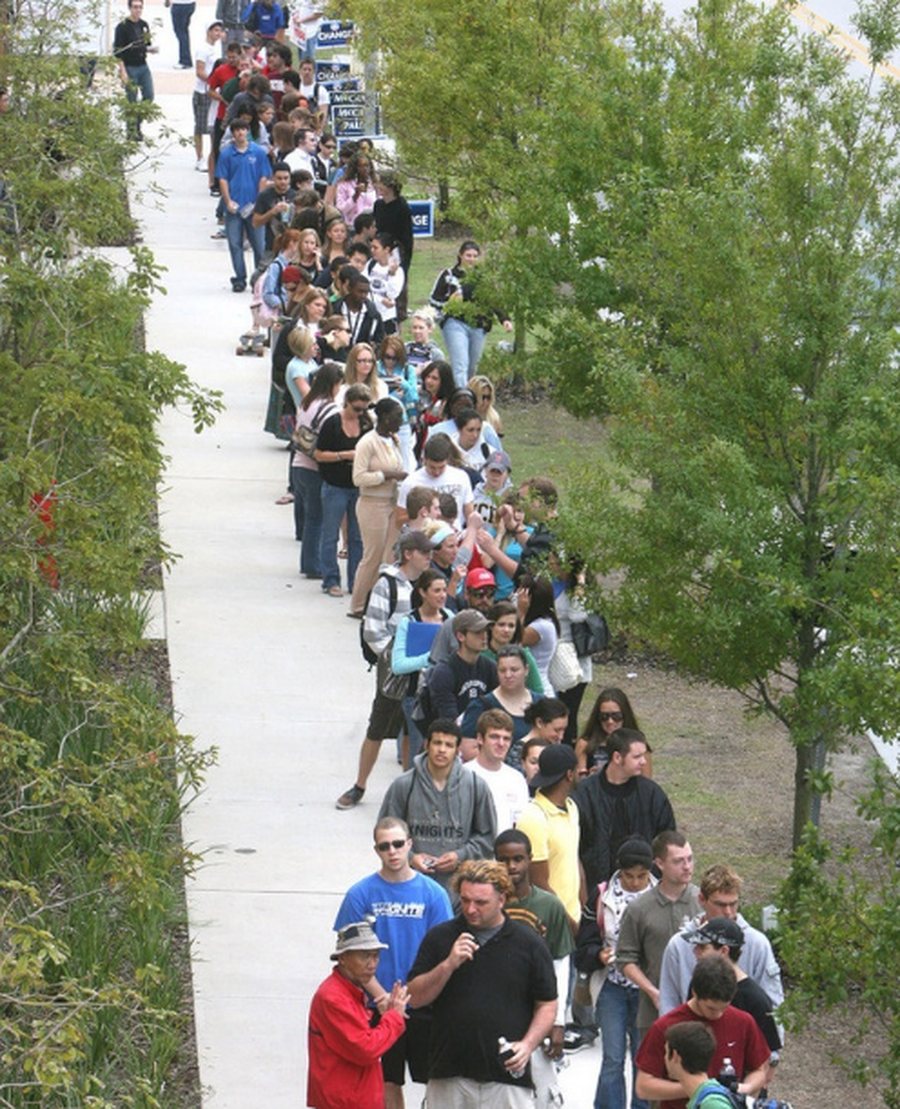
This imitation is reinforced by influencers and public figures. These videos circulate almost everywhere on social networks, directing people to the same places and creating large crowds and repeated patterns of behavior.
The illusion of discovery
TikTok creates the feeling that everyone is “discovering” the same place at the same time, when in reality it’s the algorithm that distributes the content. This makes it easier to follow the crowd than to seek out authentic places, off the beaten path.
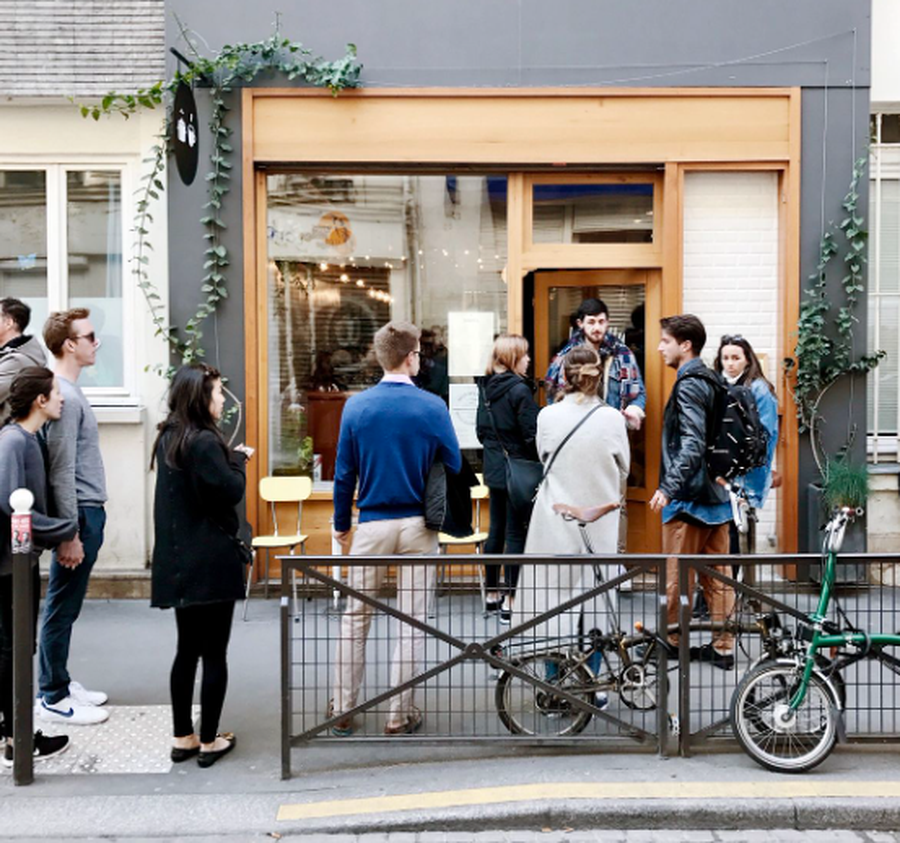
But this comes at a cost. Algorithms favor what is already popular, congesting entire neighborhoods and negatively impacting the lives of local residents through noise, waste, and overtourism.
Despite the debates this behavior has sparked, the lines continue to drag on. The idea that you’re not the only one waiting for something makes you think you’re making the right choice. Even when you know that everything is driven by online fame, you keep waiting; this is because the waiting has become as important as the food itself.