Ukraine and US agree on minerals deal
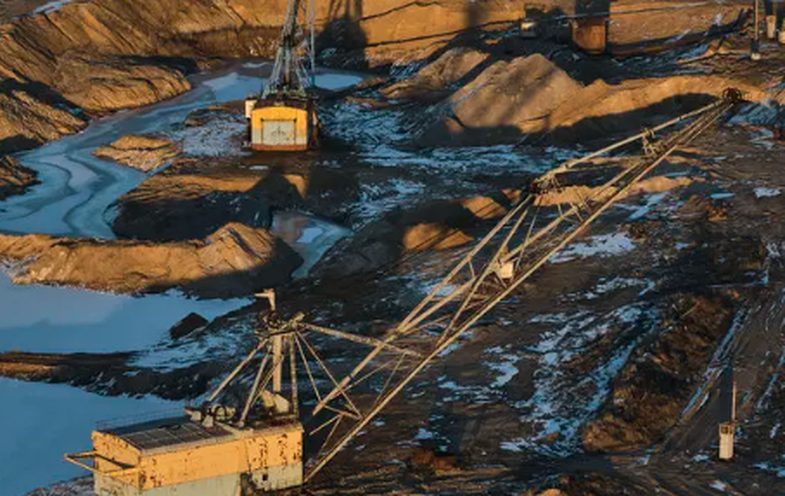
Ukraine and the United States reached an economic agreement that would include the exploitation of Ukraine's minerals, according to three senior Ukrainian officials.
One of the officials, who spoke on condition of anonymity, said Kiev hopes the deal would improve its relations with Washington and secure long-term US support that Ukraine urgently needs.
They added that arrangements are being made for Ukrainian President Volodymyr Zelensky to travel to Washington to meet US President Donald Trump.
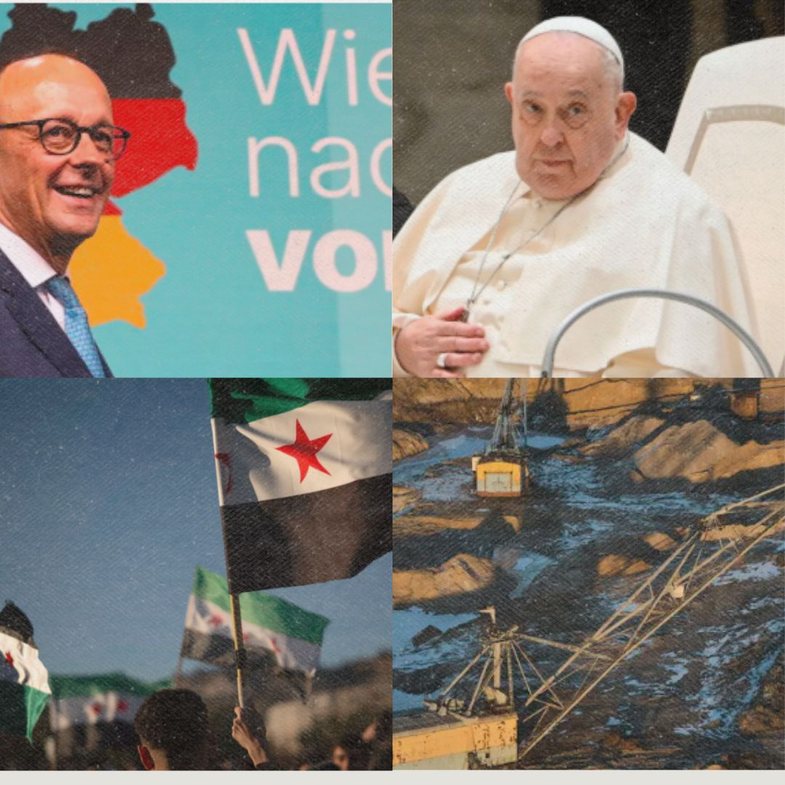
Pope Francis' health condition: "Critical but stable"
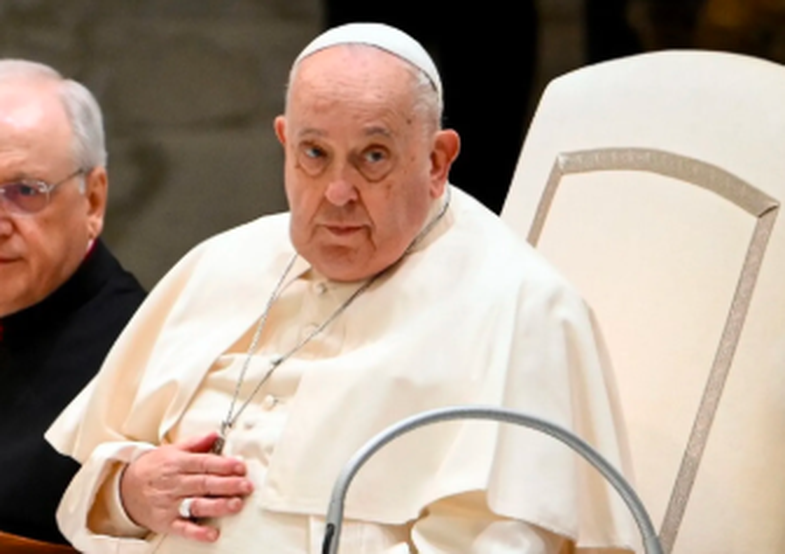
The Vatican has announced in its latest update that Pope Francis' health condition remains critical but stable.
It is also clarified that no new acute respiratory episodes have been noted, while his hemodynamic parameters continue to be stable.
In the evening, the Holy Father underwent a scheduled scan to monitor the evolution of bilateral pneumonia, but its results have not yet been made public.
However, no official conclusion has yet been given on his pulmonary condition, as the situation is still under monitoring.
EU lifts comprehensive energy and transport sanctions on Syria
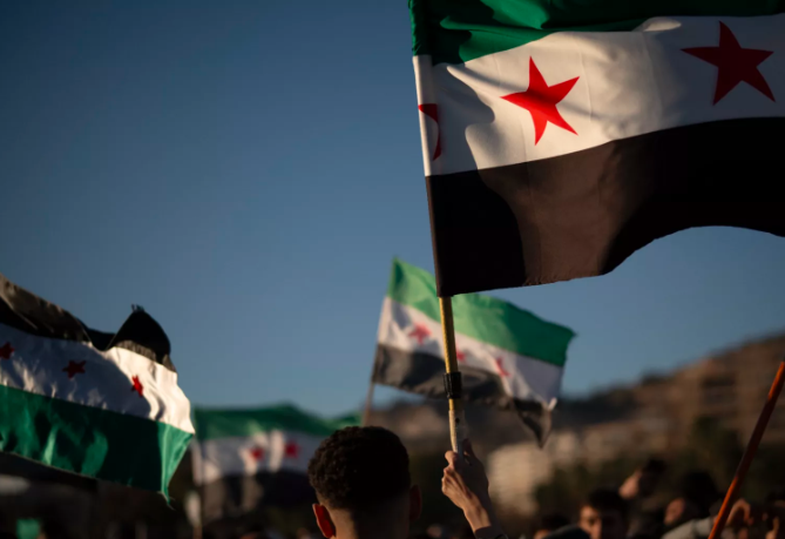
EU foreign ministers decided on Monday to suspend a set of broad sanctions against Syria to help the country's economic recovery and reconstruction after nearly 14 years of civil war.
The Council decided to remove five financial entities from the list of entities subject to the freezing of funds and economic resources and to allow funds and economic resources to be made available to the Central Bank of Syria.
The EU has also suspended sectoral measures in the oil, gas, electricity and transport sectors and has established exemptions from the ban on banking relations between Syrian banks and financial institutions in the EU to facilitate transactions for humanitarian and reconstruction purposes, as well as for the energy and transport sectors.
German government talks: CDU/CSU and SPD coalition most likely
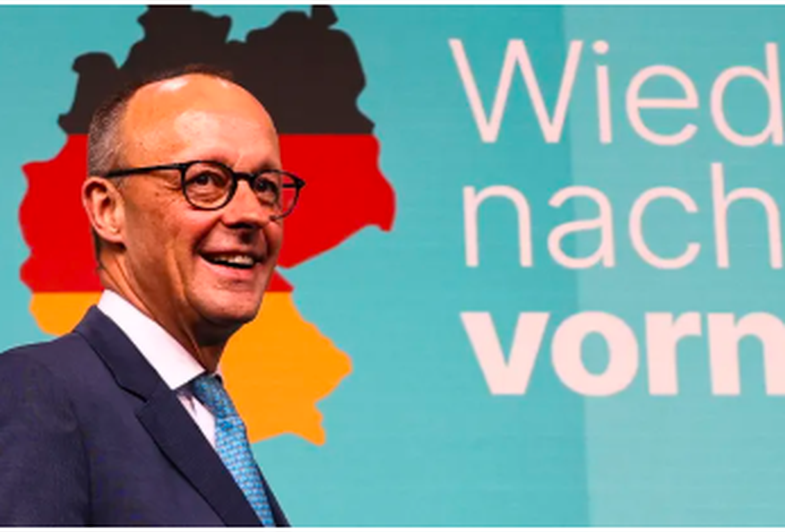
German parliamentary groups plan to meet to discuss possible coalitions after the elections.
Friedrich Merz, who is likely to be Germany's next chancellor, has said he aims to form a new government before Easter, which is in April.
The most likely merger so far seems to be between Merz's CDU and its Bavarian sister party, the CSU, with the center-left SPD party.
The SPD leader has shown himself open to cooperation, while warning Merz that he will stop the divisive rhetoric of recent weeks.