I'm afraid of panic attacks , they feel strong and scary. But when you understand what causes them and how to manage them, they no longer have the same power over you.
We find out how:
1. What do panic attacks feel like?
2. How does a person go from fear to disorder?
3. Typical behaviors and reactions from panic attacks
4. Help and treatment
1. What do panic attacks feel like?
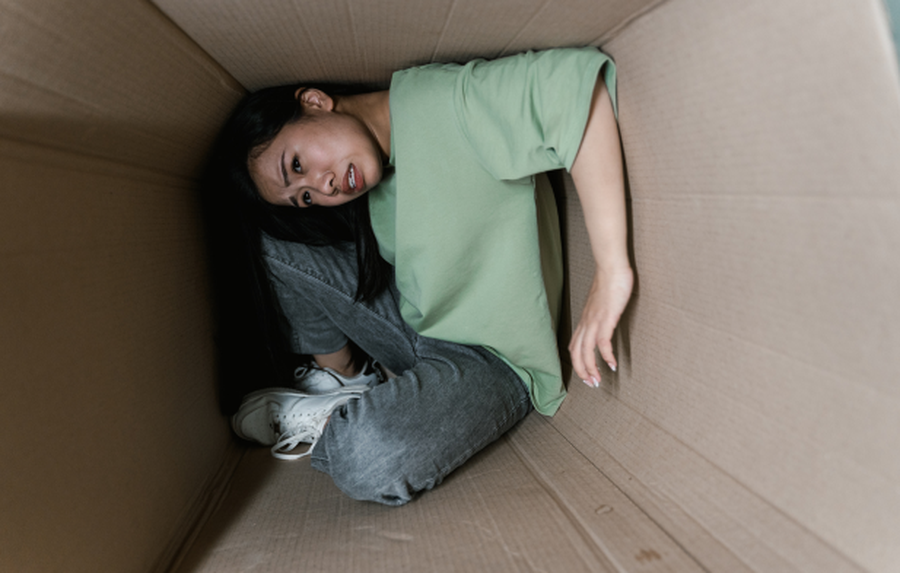
You feel as if your body is being engulfed by a high-voltage electric current, your breathing becomes difficult, and your mind races, searching for a solution to those inexplicable sensations.
The need for help, protection, and the struggle to escape that situation hinder any attempt to control yourself and your reactions.
Then, suddenly, everything ends, leaving the same feeling of devastation produced by a tsunami, in this case, a psychological one.
2. How does a person go from fear to disorder?
Fear becomes a disorder when our natural danger alarm mechanism no longer turns off in time and begins to react even when we are actually safe.
It usually starts from a concrete situation (a natural fear, a stressful event, a physical symptom), where our body reacts strongly: the heart beats fast, the mind thinks "I am in danger", the muscles tense.
If this experience scares us too much , the brain registers: “this situation is super dangerous .” The next time, a small memory, a place, a thought, a feeling in the body is enough and the alarm goes off again, often even louder.
The person begins to avoid : they don't go out, they don't get in the car, they don't take the elevator, they don't touch certain objects, they don't confront people. This avoidance leads the brain to believe even more that the danger is really there.
Over time, fear expands its territory, affects sleep, work, relationships and daily freedom, and there we are no longer talking about a natural fear, but about an anxiety disorder , phobia or OCD . Where fear no longer protects us, but prevents us from living .
3. Typical behaviors and reactions from panic attacks
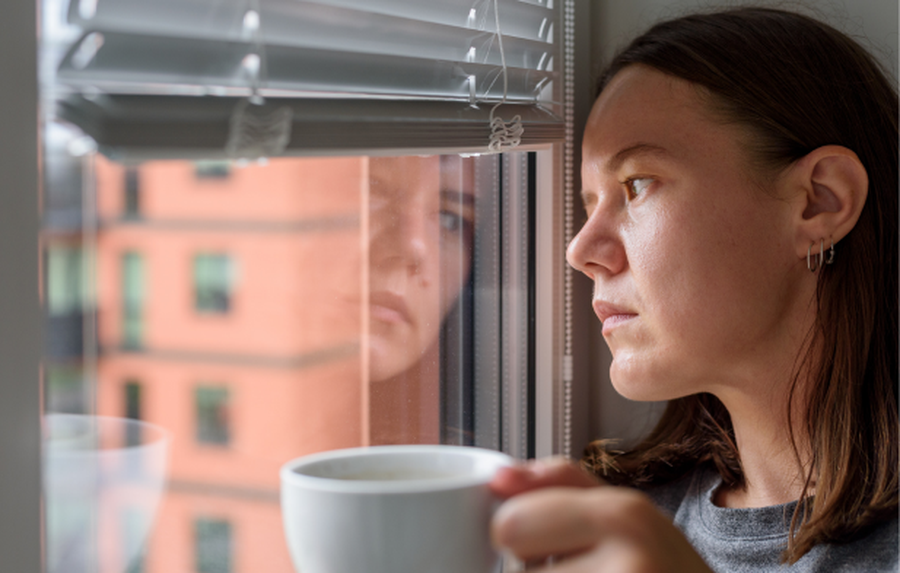
Analyzing the most common reactions to a perception of intense fear, we notice some constant repetitions in different people and situations:
When a person experiences a very strong fear, they often react in certain ways that, without realizing it, feed this fear even more.
First , he begins to avoid everything that scares him , places, situations, people, thoughts. But the more he avoids, the more unable he feels to cope, while the "monster" in his mind becomes bigger and bigger.
Së dyti, kërkon vazhdimisht sigurime dhe mbrojtje nga të tjerët (telefonata, mesazhe, shoqëri, kontrolle). Në fillim e qetësojnë, por në plan afatgjatë e mësojnë trurin se “vetë nuk ia dal dot, kam nevojë patjetër për dikë tjetër” pra ia delegon fuqinë tjetrit.
Së treti, mund të mundohet me çdo kusht të kontrollojë trupin e vet (zemrën, frymëmarrjen, dridhjet), por sa më shumë përpiqet t’i kontrollojë, aq më shumë rritet ankthi dhe duket sikur po humb kontrollin.
Këto tre mekanizma, shmangia, mbështetja e tepruar tek të tjerët dhe lufta për të kontrolluar çdo simptomë fizike, e mbajnë frikën gjallë dhe e kthejnë pak nga pak në një çrregullim.
4. Ndihma dhe trajtimi
Kur një person arrin të ndalojë këto reagime jofunksionale, shmangien, kërkimin e vazhdueshëm të sigurisë dhe përpjekjet për të kontrolluar trupin, atëherë edhe frika fillon të rikthehet në formën e saj normale, atë që thjesht na paralajmëron por nuk na paralizon.
Nëse këto tre sjellje janë ato që e kthejnë frikën në panik, atëherë heqja dorë prej tyre është hapi kryesor për ta zhdukur vetë çrregullimin.
Shembull:
Marrim një person që ka pasur një sulm paniku në supermarket. Që prej asaj dite ai nuk shkon më atje (shmangie), merr dikë gjithmonë me vete për çdo dalje (kërkim ndihme) dhe kontrollon vazhdimisht frymëmarrjen që të mos “i ndodhë përsëri” (përpjekje për kontroll).
Nëse gjatë trajtimit mëson të kthehet gradualisht në supermarket, të shkojë vetë dhe të lejojë trupin të qetësohet pa luftuar simptomat, paniku fillon të zbehet, sepse truri mëson sërish se nuk ka rrezik real.
Për ta bërë këtë proces të sigurt dhe të suksesshëm, nevojitet ndihma e një psikologu, i cili krijon një plan ndërhyrjeje të personalizuar sipas historisë, nevojave dhe ritmit të personit.
Terapia i jep njeriut mjetet që t’i rikthejë vetes fuqinë dhe ta rikthejë frikën në vendin e saj natyral, një sinjal mbrojtës, jo një armik.

Përmbledhje
Frika është një dhunti natyrore që na paralajmëron dhe na mbron, shpesh duke vepruar më shpejt se vetë mendja. Ajo na orienton me saktësi përballë rrezikut dhe na ndihmon të marrim vendime të menjëhershme.
Por kur frika aktivizohet përtej kufijve të saj funksionalë, ajo fillon të pushtojë çdo gjë tjetër. Arsyeja zbehet, balanca humbet dhe mekanizmi mbrojtës shndërrohet në panik.
Në thelb, nuk është ankthi që krijon frikën, por frika që ndez reagimin fiziologjik të ankthit.
Sa më shumë të rritet perceptimi i kërcënimit, aq më intensiv bëhet ky reagim. Duke e transformuar një mekanizëm normal aktivizimi në një gjendje të dhimbshme humbjeje kontrolli.
If fear is limiting you and affecting your daily functioning, seeking professional help is an important step. With proper assessment and treatment, fear can be restored to its natural role: as a protector, not as an obstacle.
This article was written by the experts at Psikologu Online , the first professional online therapy platform in the Albanian language, which has been operating since 2019, offering specialized psychological services and high ethical standards. For more information about the services, professionals, and how online therapy works, you can visit: www.psikologuonline.al .