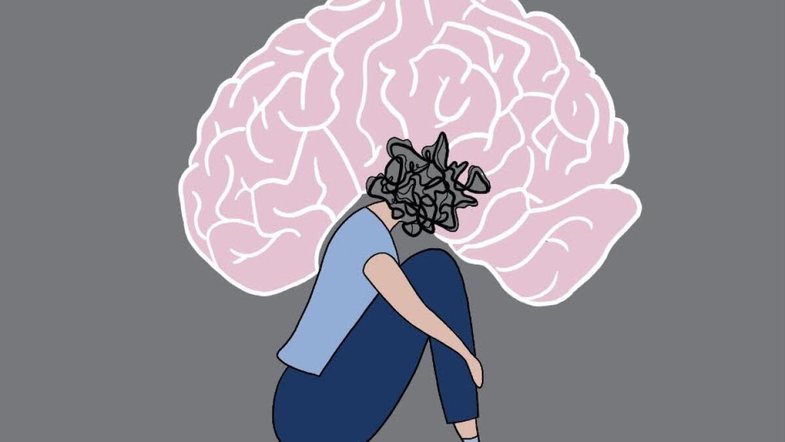
Teenage brains have physically changed during the Covid-19 pandemic, aging faster than normal, a new study says.
Younger study participants reported more severe symptoms of anxiety, depression and what scientists call internalizing problems — meaning feelings of sadness, low self-esteem and fear, and problems with emotion regulation — after the first year of the pandemic.
The study, published in the journal Biological Psychiatry: Global Open Science, is one of the first to analyze the physical changes in the brain caused by stress and anxiety.
The researchers compared several American children of the same demographics — including gender, age, stress exposure and socioeconomic status. To find the average age of the brain, they compared scans before and after the pandemic.
Children who had entered adolescence during the first year of the pandemic had a brain age greater than their chronological age.
A child's brain naturally changes over time, but the research found that these physical changes can be accelerated when a person goes through a childhood disaster or faces hardship, as in the case of the pandemic.
Studies have shown that people who are exposed to violence, neglect, poverty and family problems early in life have faster brain aging and may have mental health problems later.
The authors of the study emphasize that parents should consider that despite their children having returned to normality, the consequences in mental health continue. Parents should make sure their teen gets the right help, especially if they show symptoms of anxiety or depression.