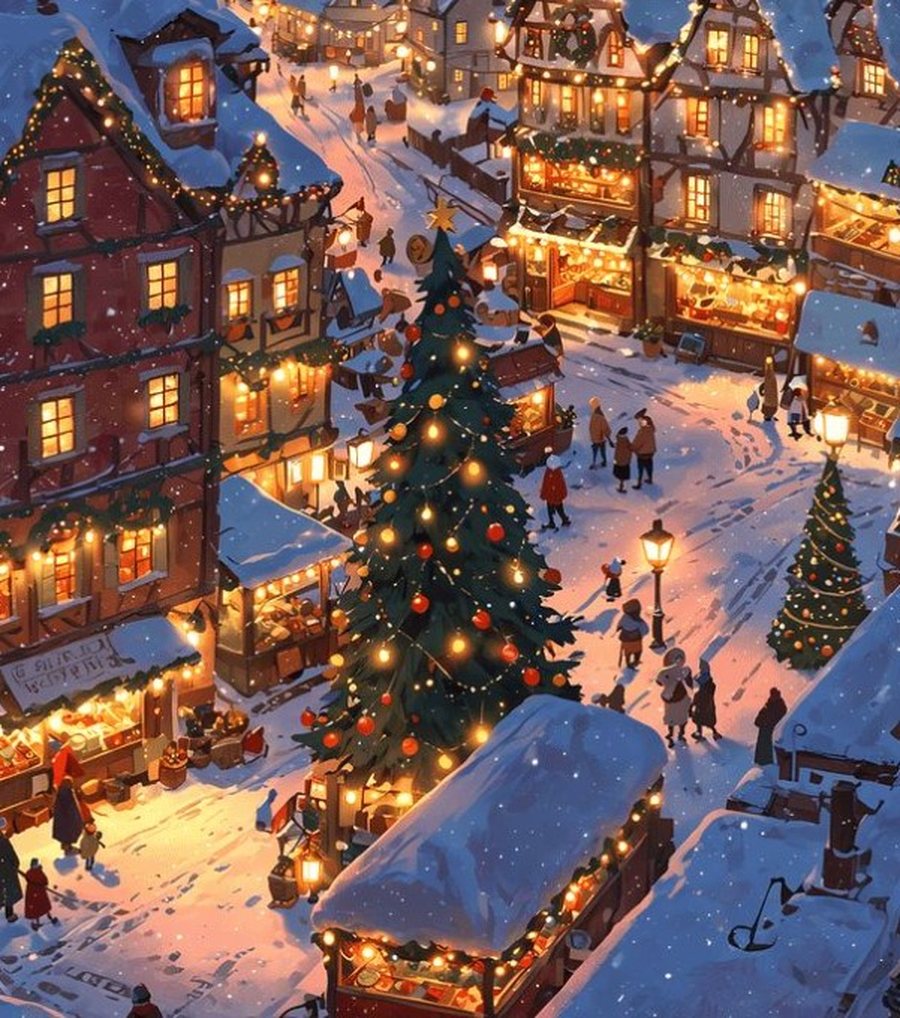
Every winter, families around the world decorate a tree to officially mark the start of the holiday season. The history of Christmas trees dates back a long time, from the use of evergreens in Ancient Egypt and Rome to Germanic traditions.
Long before Christianity, plants and trees that remained green year-round had a special meaning for people in the winter. Just as people today decorate their homes during the holiday season, many ancient peoples hung evergreen boughs over their doors and windows. In some places, evergreens were believed to ward off witches, ghosts, evil spirits, and disease.
In the Northern Hemisphere, the shortest day and longest night of the year falls on December 21 or 22 and is called the winter solstice. Many ancient people believed that the sun was a god and would “get sick” during the winter, which explained why it would occasionally appear, unable to provide warmth. They filled their homes with green plants to bring spring as soon as possible. The evergreen branches reminded them of all the green plants that would grow again when the sun god recovered and summer returned.
The ancient Egyptians worshipped a god named Ra, who had the head of a falcon and held the sun as a flaming disk on his crown. At the solstice, when Ra was believed to begin to recover from illness, the Egyptians filled their homes with green palm trees and papyrus reeds, which symbolized for them the triumph of life over death.

The Germans are thought to have started the tradition of the Christmas tree as we know it today. In the 16th century, Christians would bring decorated trees home. Martin Luther, a key figure in the 16th-century Protestant Reformation, is thought to have been the first to add lit candles to a tree. According to legend, while walking home one winter evening, Martin Luther was amazed by the stars twinkling among the evergreens. To “recreate” the scene for his family, he set up a tree in the main room and placed lit candles.
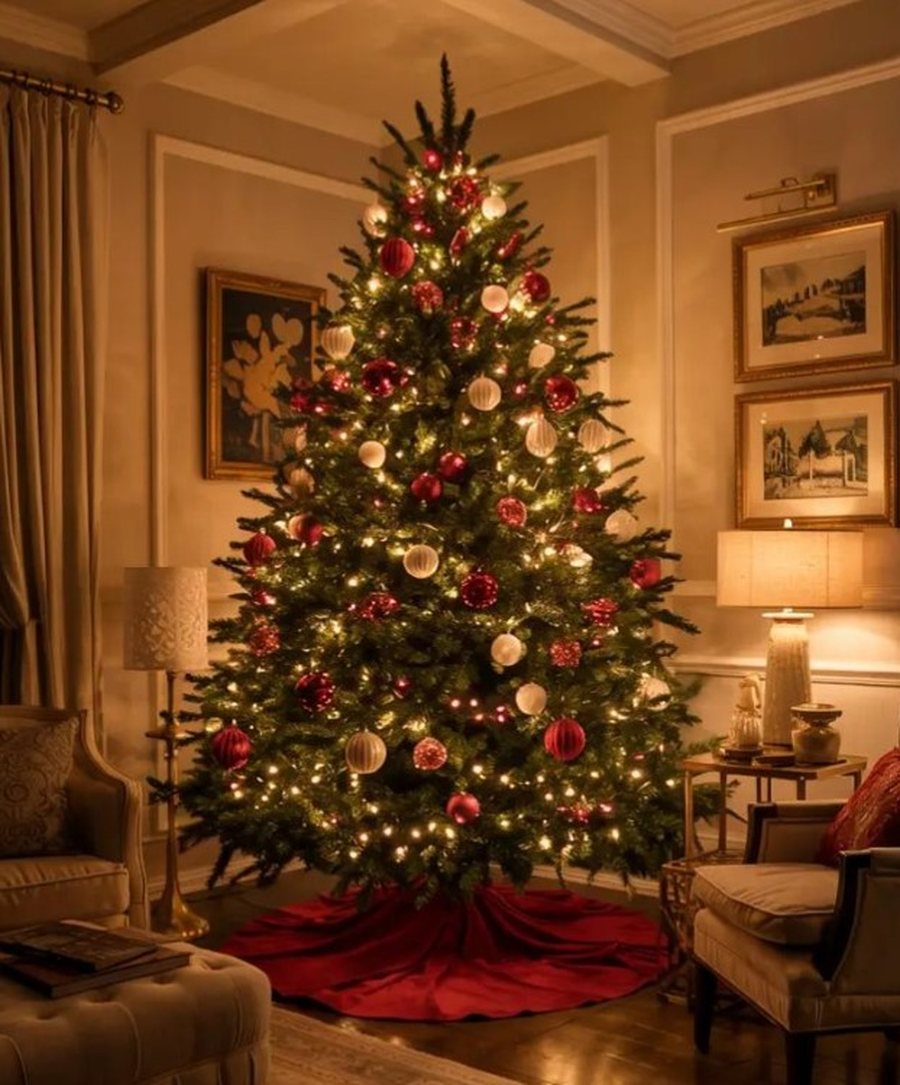
Over the years, the Christmas tree – or New Year's tree as it is known in Albania – has become a year-end tradition, often embraced even by non-Christian believers.